Rooflights and skylights in Holbeach

Slim rooflights and skylights for Holbeach's colourwashed Church Street houses and red brick Boston Road terraces, with the conservation position checked for your address and the view from your room drawn first.

From Peterborough
About 24 miles by road
Planning
South Holland District Council
County
Lincolnshire

Colourwash walls and pantile roofs still narrow Holbeach's sky

  • A frame edge across Boston Road's slate

    Boston Road's mid-18th-century red brick houses sit close together under slate, and a wide frame takes a large bite out of the narrow strip of sky between the roofs.

  • A bar over Church Street's pantile pitch

    The colourwashed brick houses on Church Street carry steep pantile roofs, steep enough that a central bar in a rooflight lands right where the eye lifts towards the sky.

  • Deep reveals behind the old market-town core

    Houses near the church and the old hospital site sit on some of the town's oldest, narrowest plots, where a square lining can shrink the sky to a thin ribbon.

  • Fen damp working into an old rooflight's seal

    South Holland's flat, low-lying farmland holds damp air for long spells, and that damp finds a tired edge seal first, turning a clear pane misty within a few winters.

Beyond Holbeach's rooftops, the fen runs flat to the horizon

Holbeach sits inside South Holland's fenland, farmed and market-gardened ground that runs level in every direction once the town's own roofs fall away. From an upstairs room the horizon rarely interrupts the sky, so what actually narrows the view is closer to home: a pantile pitch on Church Street, a slate roof on Boston Road, a stucco eave at West End. Placing the glass well here means working with those roofs, not the flat land beyond them.

  • Pantile ridge line under an open fen sky

  • Boston Road's slate roofs meeting bare cloud

  • West End's stucco eaves against a flat horizon

Colourwash on Church Street, red brick along Boston Road

Holbeach's older streets show two distinct kinds of house, and a rooflight has to answer to whichever one sits over your room.

Nos. 33 and 35 Church Street are colourwashed and rendered brick under a pantile roof, put up in the middle of the 18th century. Nos. 4 and 6 Boston Road are red brick of the same period, roofed in slate, with a wooden eaves cornice and a dentillated band running along the top of the wall.

Those two coverings behave differently once you cut into them. Pantile has a deep, curved profile and a coarser lay than slate, so flashing around a new opening has to dress to a bigger course before it looks settled from the street. Slate lies flatter and finer, and a unit that sits proud of it is far more obvious against the thinner covering. Getting the frame low against whichever covering you actually have is what keeps the roofline reading as it always has, and it is also what keeps the view from underneath as open as it can be: a proud frame edge is a frame edge you notice from the bed or the landing.

The eaves cornice and dentillated band on Boston Road are worth respecting for their own sake too. A rooflight set well below them, rather than crowding the top of the wall, keeps that detail readable from the pavement, and it tends to keep the glass itself lower in your eyeline from inside, which usually means more sky and less frame.

Pantile and slate: what the covering decides before the view does

Before a sightline is drawn, the roof covering decides which products are even worth discussing.

Pantile and slate take flashing differently, and a unit made to sit well in one can sit awkwardly on the other. The table below sets out what each of Holbeach's three documented streets calls for.

StreetCoveringHouse ageWhat it decides
Church StreetPantileMid-18th centuryFlush conservation profile keeps the tile line unbroken
Boston RoadSlateMid-18th centurySlim unit sits below the cornice and dentil band
West EndSlateLate 18th to 19th centuryStucco dressings suit a restrained, low frame

No. 34 West End is a house of the late 18th to 19th century, red brick with painted stucco dressings under a slate roof, and it makes the same point from a different angle: where the wall itself carries decoration, the roof glass should not compete with it. A conservation rooflight installation in a flush, slim profile tends to answer on all three streets, though the exact unit still depends on the covering and the pitch, checked on survey rather than guessed from the pavement.

For a loft conversion set back from the road, where the roof cannot be seen from Church Street or Boston Road itself, a roof window with an opening sash can be the better fit, particularly where ventilation is wanted alongside a view. The sightline from the bed or the landing decides between them, not the label on the product.

The conservation area drawn around the town centre

Holbeach town centre was designated a conservation area on 1 January 1970, with the boundary last amended on 17 April 2012.

South Holland District Council is the planning authority, and it has published a Conservation Area Appraisal and Management Plan setting out the character the area is meant to keep.

A rooflight inside that boundary is not refused outright, but its scale gets weighed against the roof it sits on before anything is agreed. A flush, dark-framed unit reads far quieter against an old pantile or slate roof than a raised, boxy one ever will, and a frame that lies low leaves more of the opening as actual sky rather than surround, which matters looking up from a bed under Church Street or Boston Road tiles as much as it matters from the pavement outside.

Whether a particular address on Church Street, Boston Road or West End sits inside the mapped boundary, and what that means for a specific roof, is checked for the address before any product is named. We do that on the first visit, alongside measuring the room and the roof, so the quote is for something the council is likely to accept as well as something worth looking at from inside.

All Saints and the open ground around it

All Saints Church was built almost entirely in the 14th century, with later changes inside including the Mary Bass Room at the west end and an open-fronted bellringing platform above it.

Its setting forms an area of open green space, set against the dense development and enclosure created by the main street and the residential back streets around it. That contrast, tight streets against open church ground, is a useful way to think about reveals as well as roofs.

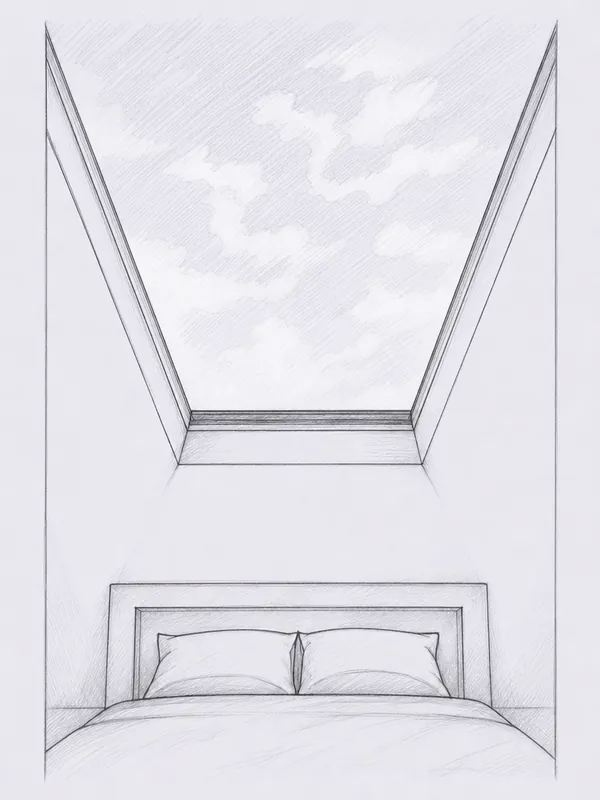
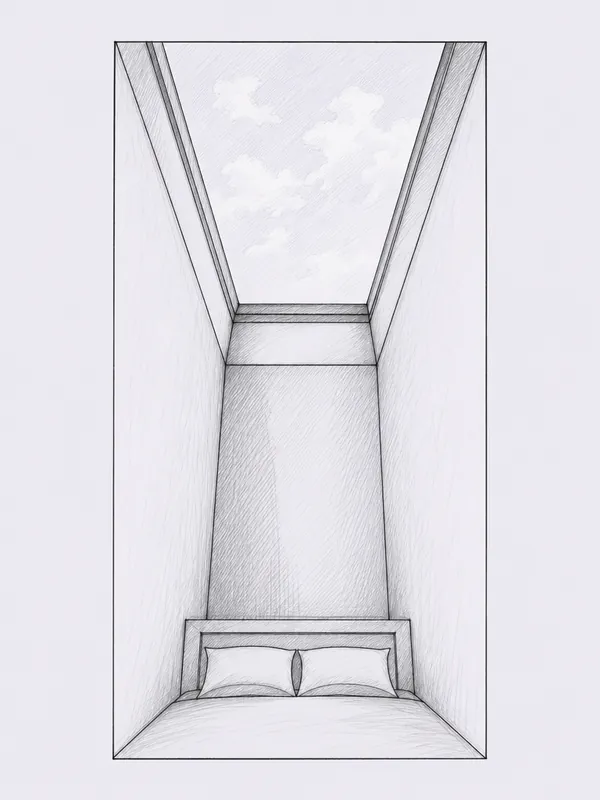
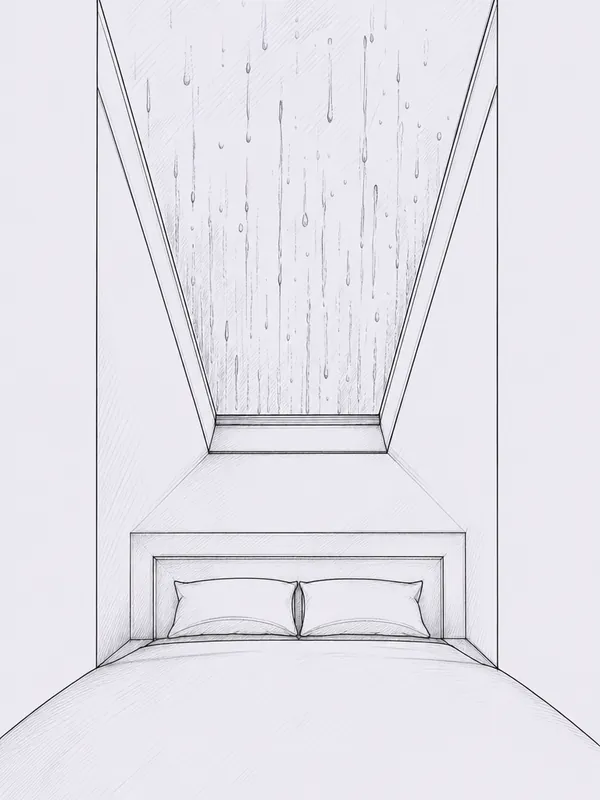
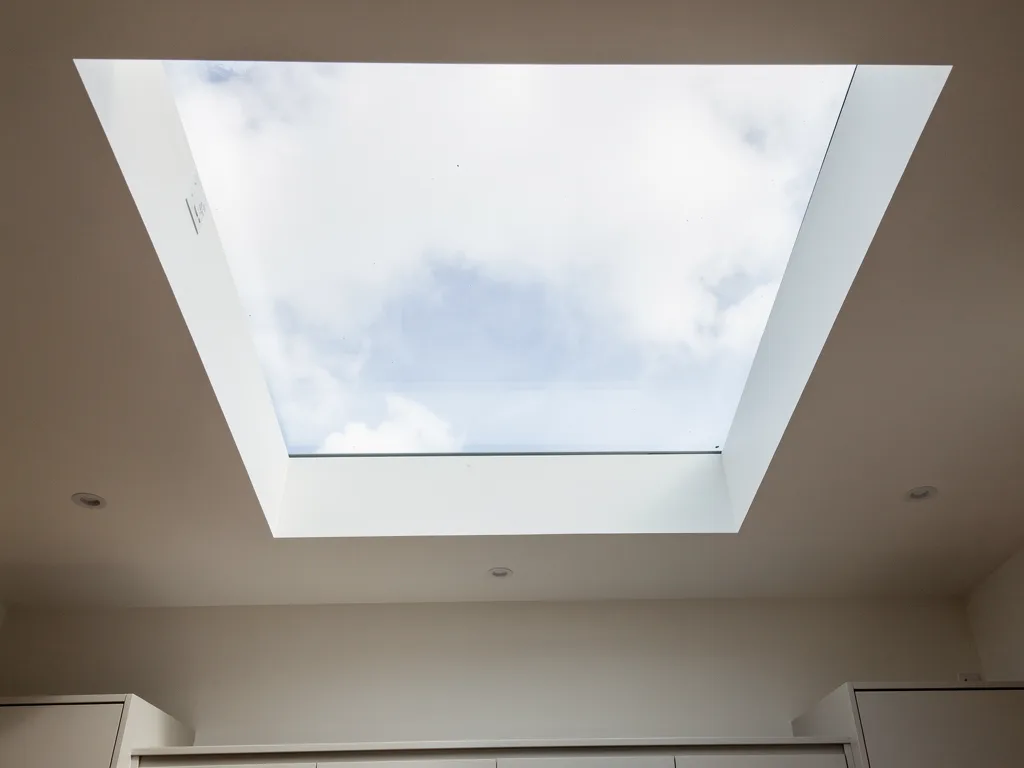
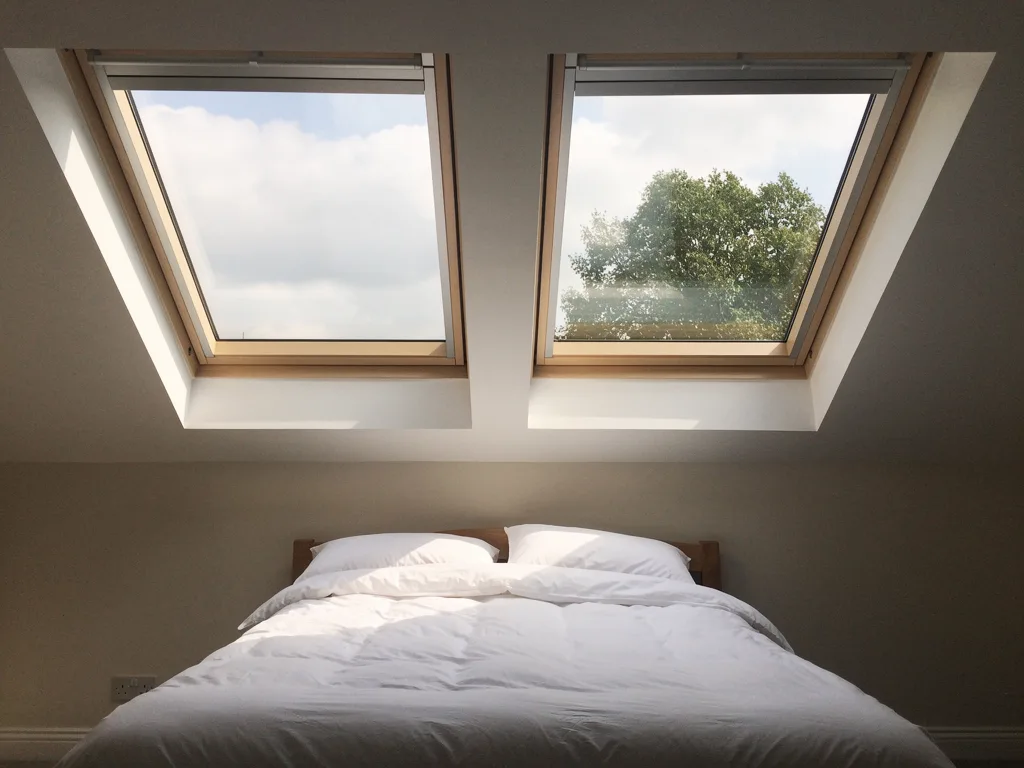
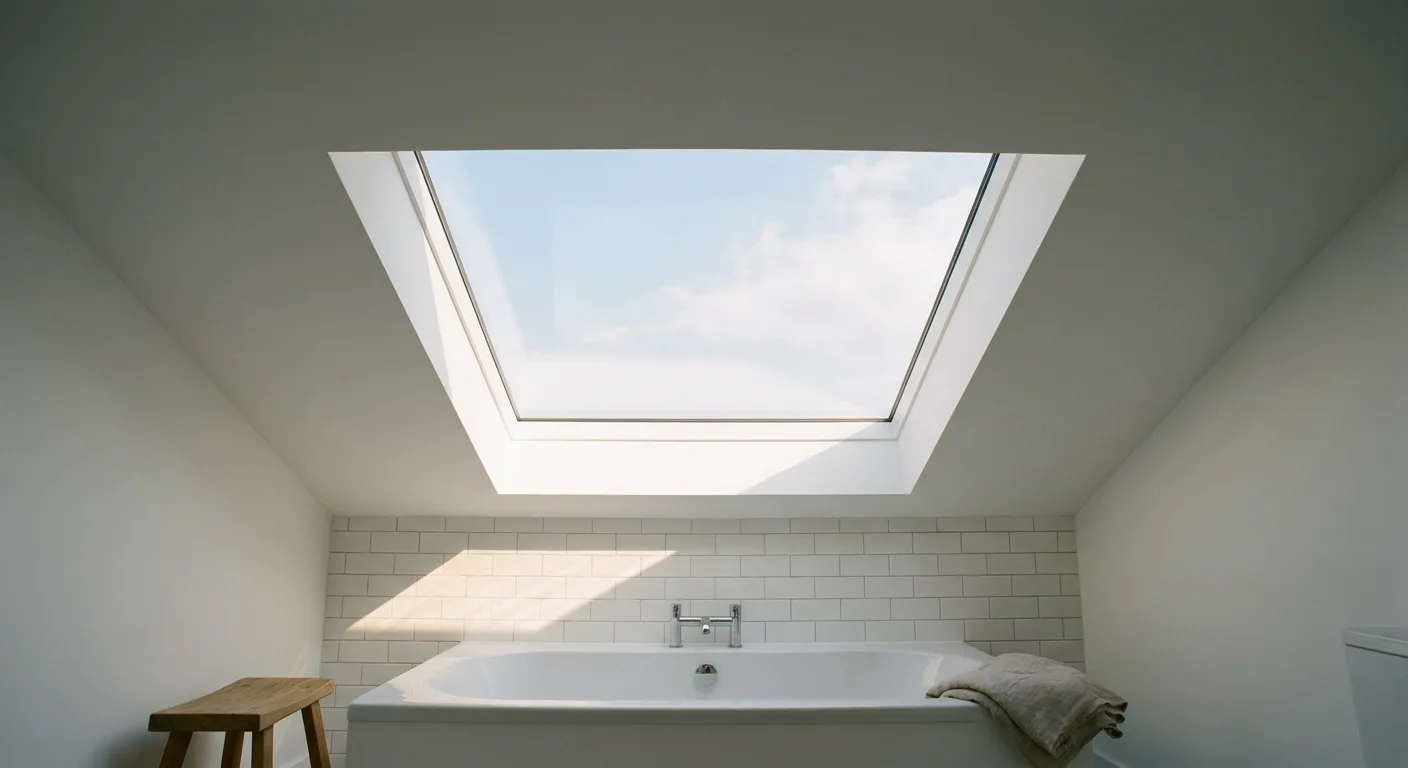
A house hard against a busy frontage, with neighbours close on both sides, tends to have a thicker ceiling build-up below any new opening, simply because there is less roof to work with and more structure crammed into it. Left square, a deep reveal narrows the sky to a slot, however wide the glass above it. Splayed, so the sides angle out towards the room, the same opening shows more sky from further back in the space.

Where a house sits on more open ground, closer to the church or the fields beyond the back streets, the ceiling build-up is often shallower and the reveal choice matters less. Either way, it is worth deciding on the sightline sketch rather than by habit: our guide to reveal shape sets out when splayed, square or deep genuinely earns its place.

All Saints' Hospital, and what an old market-town core does to a roof

All Saints' Hospital was founded in Holbeach in 1351 by Sir John of Kirton, for a warden and fifteen poor persons, one of the older institutions built up around the town's medieval core.

Market towns that grew in stages like this tend to have their oldest, narrowest plots closest to the church and the main street, with the roof slopes above them correspondingly tight. On a narrow slope, frame and glazing bar width matter more than they do on a wide one.

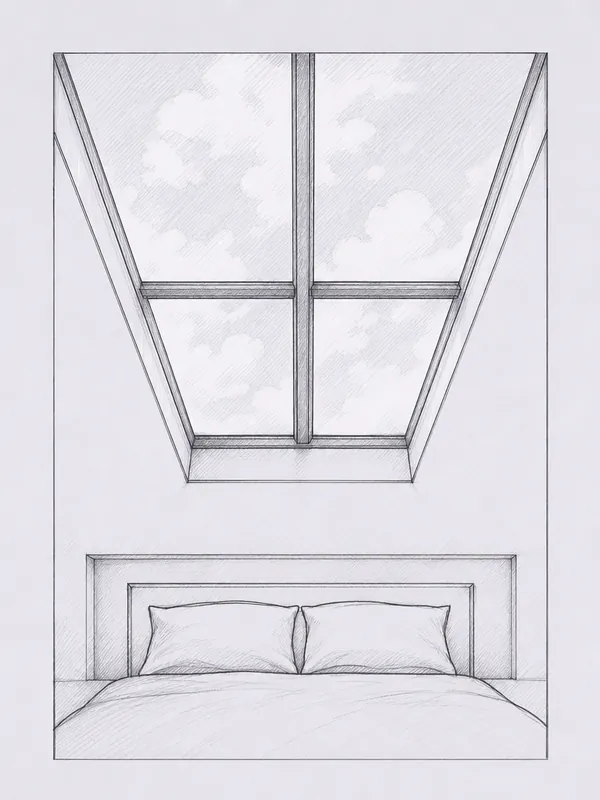
A bar across the middle of a large unit takes a small share of a big view. The same bar on a slope only a metre or so across can sit dead centre in the only patch of sky the room gets. Choosing a single-pane unit over a barred one, or a bar position that sits away from where you actually look from the bed or the landing, is worth deciding on the sightline sketch rather than by default.

The same reasoning holds wherever a roof in Holbeach is more built up on than open, whether that is close to the church and the old hospital site or along Church Street and Boston Road themselves. Our frame profiles and sightlines guide sets out how much sky a slim frame buys you over a chunky one, seen from a normal lying or sitting position.

The Cemetery Chapels, and the buildings still waiting their turn

South Holland District Council works with Heritage at Risk and Historic England to restore neglected buildings in the parish, among them the Grade II listed Cemetery Chapels, built in 1854, taken forward in partnership with Holbeach Parish Council.

It is a useful reminder that a roof does not stay in good order on its own, and that includes the glass in it.

A rooflight or an old skylight left in place for decades tends to fail quietly. The edge seal between the panes goes first, so the unit still looks whole from the street while the view from inside turns milky at the corners, then across the whole pane. On a low-pitched or flat roof, dirt and standing water on the outer face add to the problem, dulling what glass is left clear.

None of that is unique to a listed chapel roof. It happens on an ordinary Church Street or Boston Road house just as readily, only more slowly if the unit was well made to start with. Our misted and failed rooflight replacement service renews a unit that has gone cloudy to a current glass specification, and the guide to keeping rooflight glass clear covers the edge seals and coatings that put the problem off for longer next time.

Flat fenland ground beyond the roofs

Holbeach sits within the flat South Holland fenland, ground worked as farmland and market garden for generations before the town grew up on it.

Once you are past the last roof, there is very little on the horizon to interrupt the sky in any direction.

That openness is a genuine advantage for a rear extension, where the room is often a kitchen or a garden room added behind an older house on Church Street, Boston Road or one of the streets around them. A flat rooflight set on an upstand, or a lantern along a ridge beam, can give a wide, largely unbroken view of that fen sky from the table or the sink, without the frame competing with a chimney or a neighbouring roofline the way it might on a tighter, older street.

Where the extension is large enough to take more than one opening, a run of smaller units can bring in more sky than a single large pane, and a roof lantern installation suits a bigger single-storey space particularly well, since its ridge and hips can be planned to frame the open ground beyond the town rather than the roofs closer in.

From the first visit to a finished view

Holbeach sits roughly 24 miles from Peterborough by road, comfortably inside the 30-mile radius we work across. We begin inside the room rather than up on the roof, because the room is where you will actually be lying, sitting or standing when you look up at whatever gets fitted.

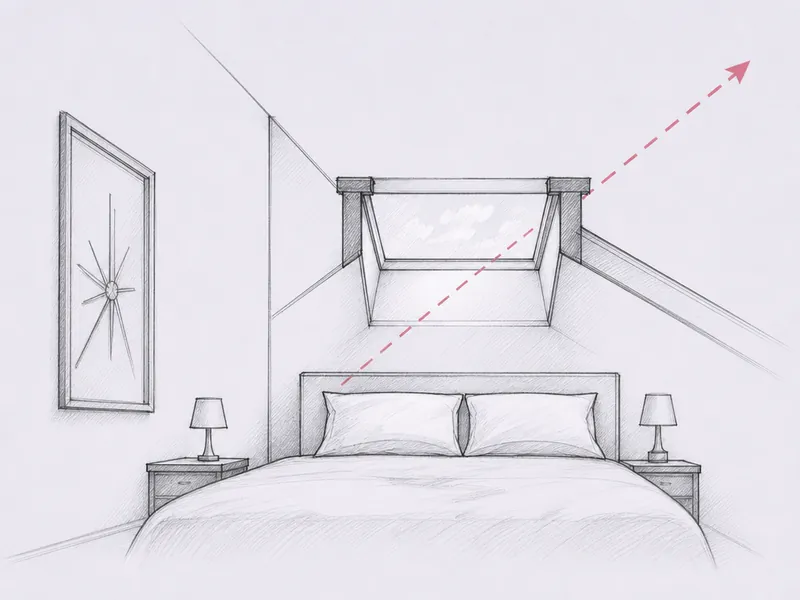
That first look at the room settles four things before we touch a single tile:

  • Which covering is on the roof: Church Street pantile, Boston Road or West End slate, or something newer further out towards the fen.
  • Whether the address falls inside the Holbeach conservation area boundary, confirmed rather than guessed at from outside.
  • How deep the ceiling build-up is below where the opening would go, since that shapes the reveal choice as much as the roof shapes the frame.
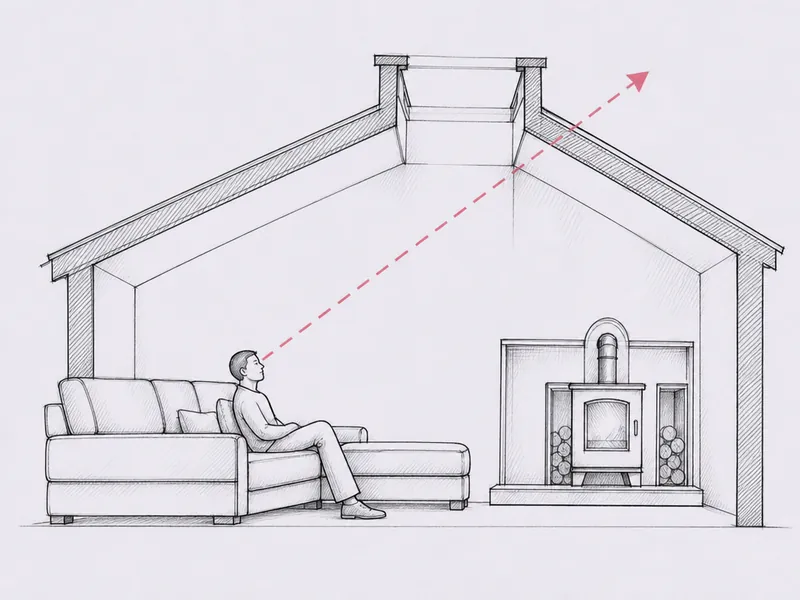
  • Your own vantage point, pillow, armchair or worktop, so the frame edge, any bar and the reveal are drawn from where you actually are, not an assumed angle.

Those four points become the sightline sketch that comes with every quote, drawn up before any tile or slate is touched. Building Regulations govern the work throughout, we handle the Building Control notification ourselves wherever the job needs one, and the finished job carries a 10-year workmanship guarantee.

Price moves with the unit chosen, the roof covering, the internal lining and how easily the roof can be reached; our costs page sets out what pushes it up or down. The Peterborough homepage covers the full range we install across the district, and a few miles east, Spalding has its own page, built around its own streets and roofs.

Before a tile or slate comes off: what Holbeach owners ask

This is what Holbeach owners tend to ask, given the mix of pantile, slate and conservation-area ground the town sits on. Not covered below? Book a home visit, or message us on WhatsApp.

Do I need permission for a rooflight on Church Street or Boston Road?

It depends on where the address sits against the Holbeach conservation area boundary, designated in 1970 and last amended in 2012. Being inside it does not rule out a rooflight, but the design is looked at alongside the size, and we check the position for your address before naming a product on the quote.

Will a rooflight suit a pantile roof as well as a slate one?

It will, but the flashing detail changes with the covering. Pantile's deep, curved profile needs a more generous flashing course than slate's flatter, finer lay, so whichever of the two is over your roof, Church Street's pantile or the slate on Boston Road and West End, decides how the unit gets dressed in.

My house sits close to the church, on one of the older, narrower plots. Does that change what fits?

Often, yes. A narrower roof slope makes frame and glazing bar width matter more, since either takes up a bigger share of the small patch of sky the room actually gets. A single-pane unit, or a bar positioned away from where you look from the bed, usually earns its place here.

What if my existing rooflight or skylight has gone cloudy?

That milky look almost always comes down to a failed edge seal between the panes, and no amount of cleaning brings it back. Our misted and failed rooflight replacement service fits a replacement unit to a current specification, and where the roof is low-pitched or flat, we can add a self-cleaning outer pane at the same time so the glass stays clear for longer between washes.

Also near Holbeach

All the areas we cover

Book a home visit

Tell us which room

  • No obligation
  • Sightline sketch included
  • 10-year guarantee

Or call 01733 736163

Call Book a home visit