









Choosing a rooflight type for the roof you actually have
The roof decides the shortlist before taste gets a vote: a pitched slope takes a roof window, a flat roof takes a flat rooflight, a lantern or a walk-on unit, and a room with no roof above it may only suit a sun tunnel. Choosing well means starting from the roof and the room, then picking the unit that leaves the clearest view of the sky.
People use "skylight" and "rooflight" for the same thing, and so do we. Both mean glazing set into a roof rather than a wall. Inside that one word sit very different products, and each one gives you a different kind of view.
| Type | Roof | What you see | Suits |
|---|---|---|---|
| Roof window | Pitched | Sky, and horizon if set low | Lofts, landings |
| Flat rooflight | Flat | A clean panel of open sky | Extensions, kitchens |
| Roof lantern | Flat | Sky on four sides, with bars | Dining and living rooms |
| Walk-on unit | Flat, used | Sky through thick glass | Terraces, lower floors |
| Sun tunnel | Any | Light only, no view | Halls, windowless rooms |
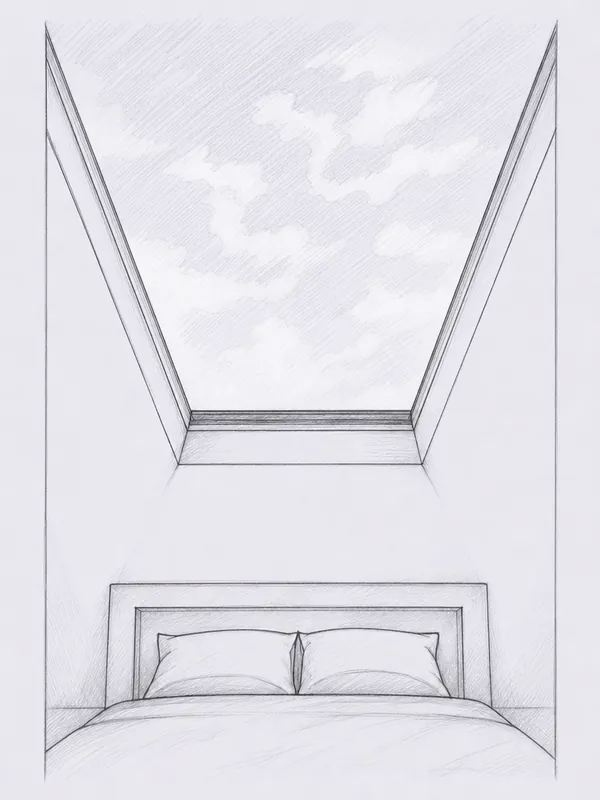
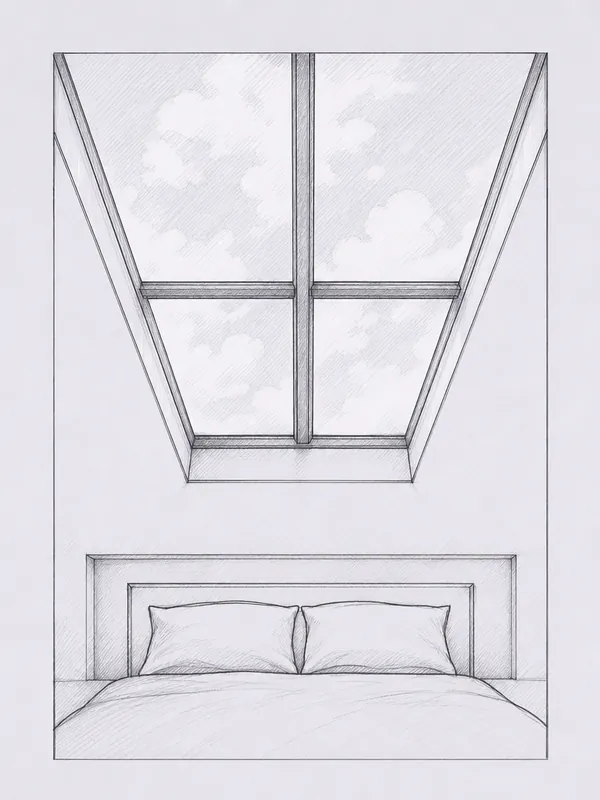
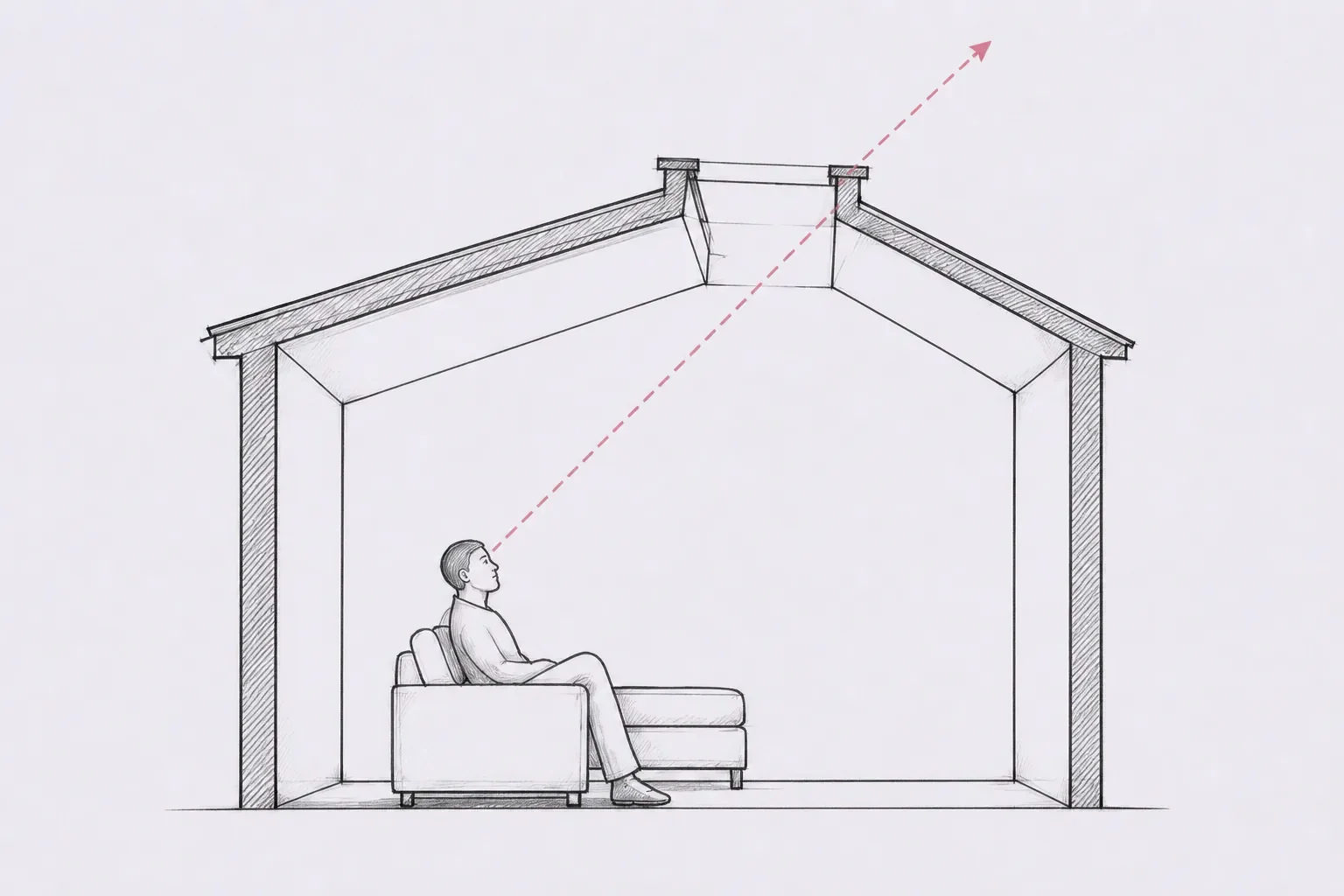
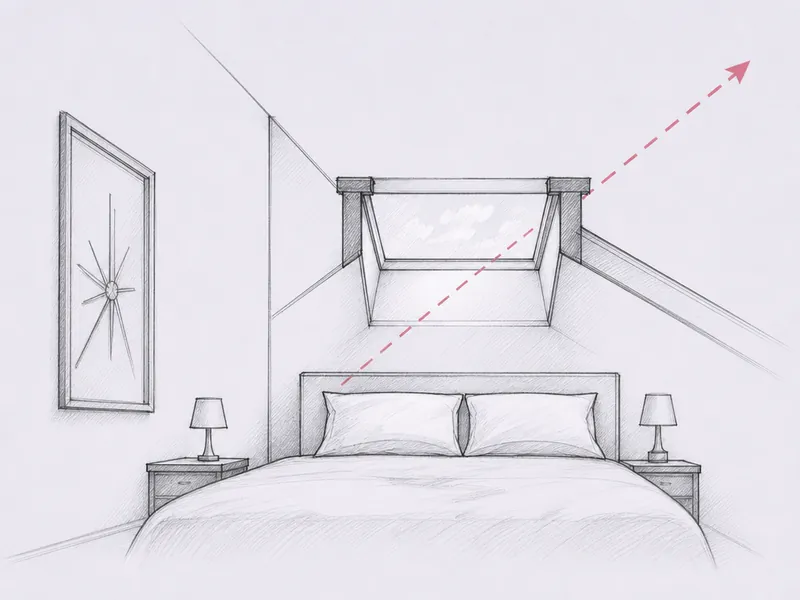
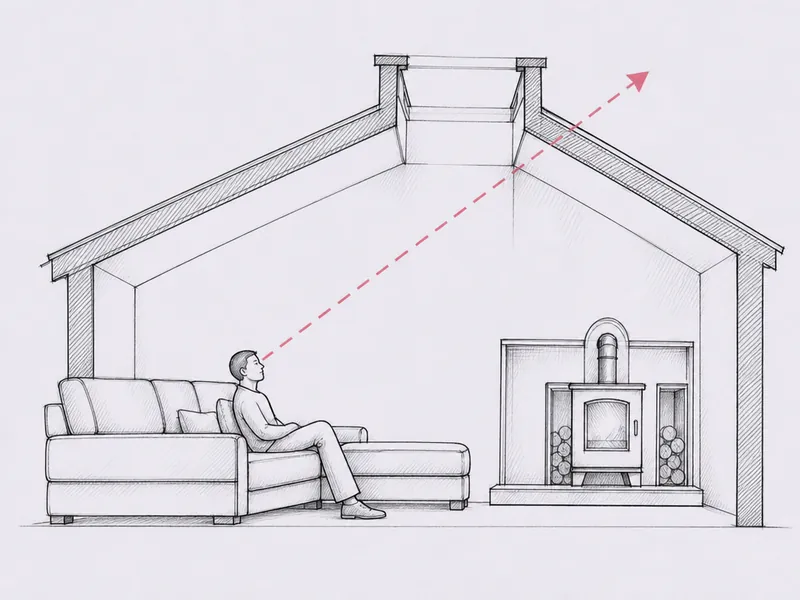
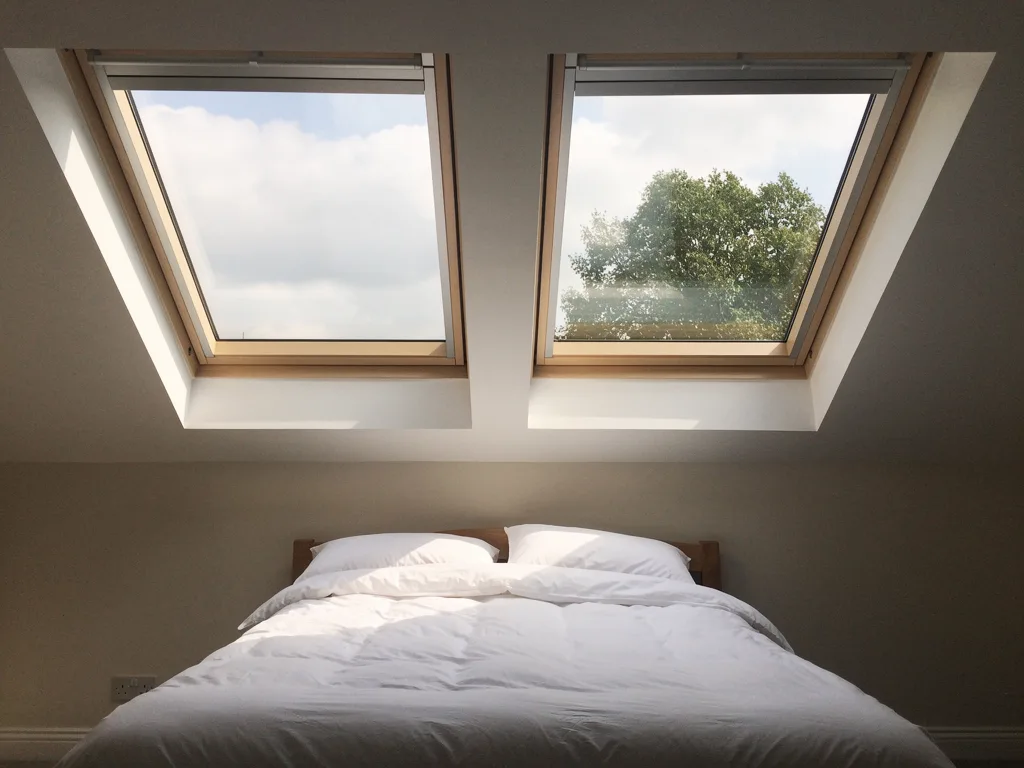
A roof window is the everyday choice for a pitched roof. It sits between the rafters, in the plane of the tiles or slates, and opens on a centre pivot or from the top. Because it follows the slope, it is the one rooflight that can show you the horizon as well as the sky, provided its lower edge is low enough for your eye line. If you already know the brand you want, our VELUX window installation page covers that range on its own terms, including the sizes that drop between common rafter spacings.
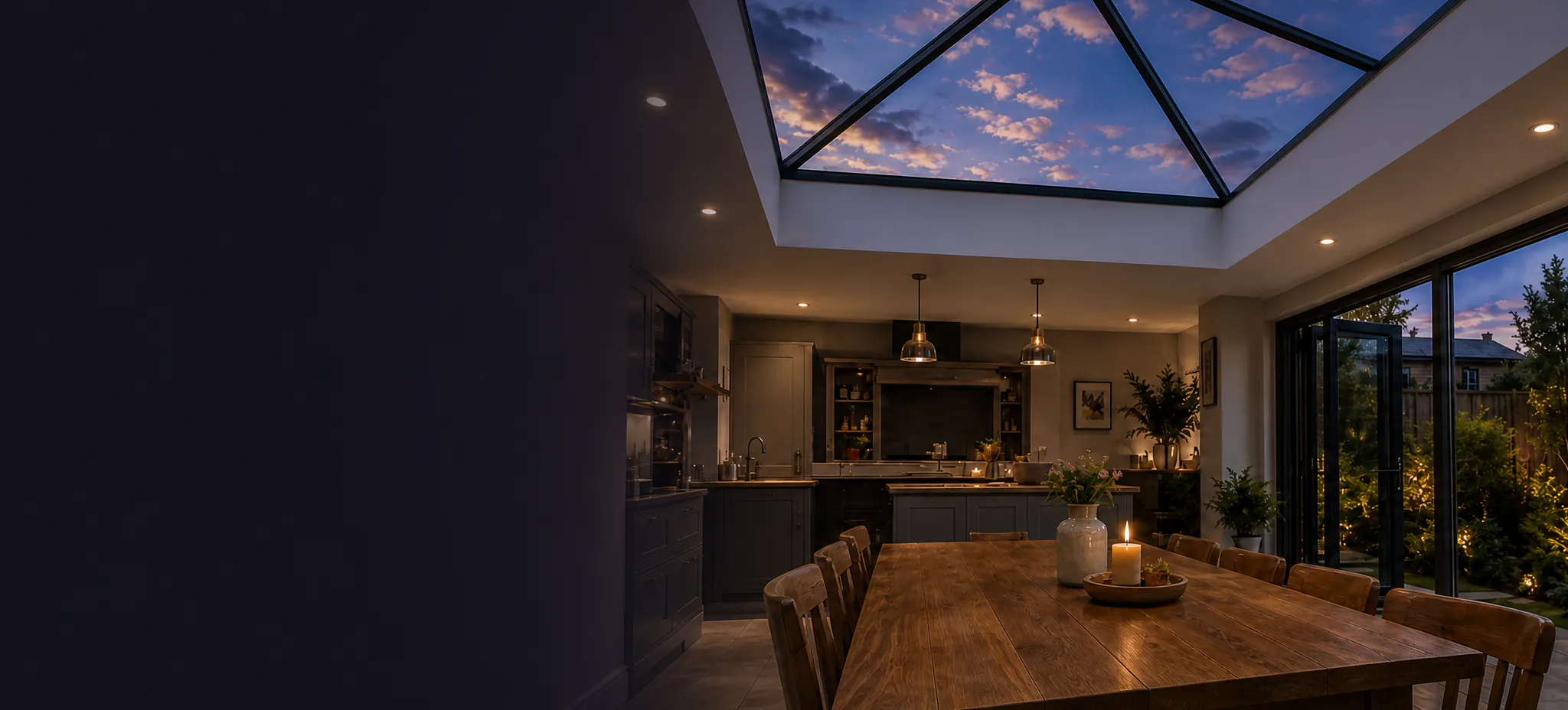
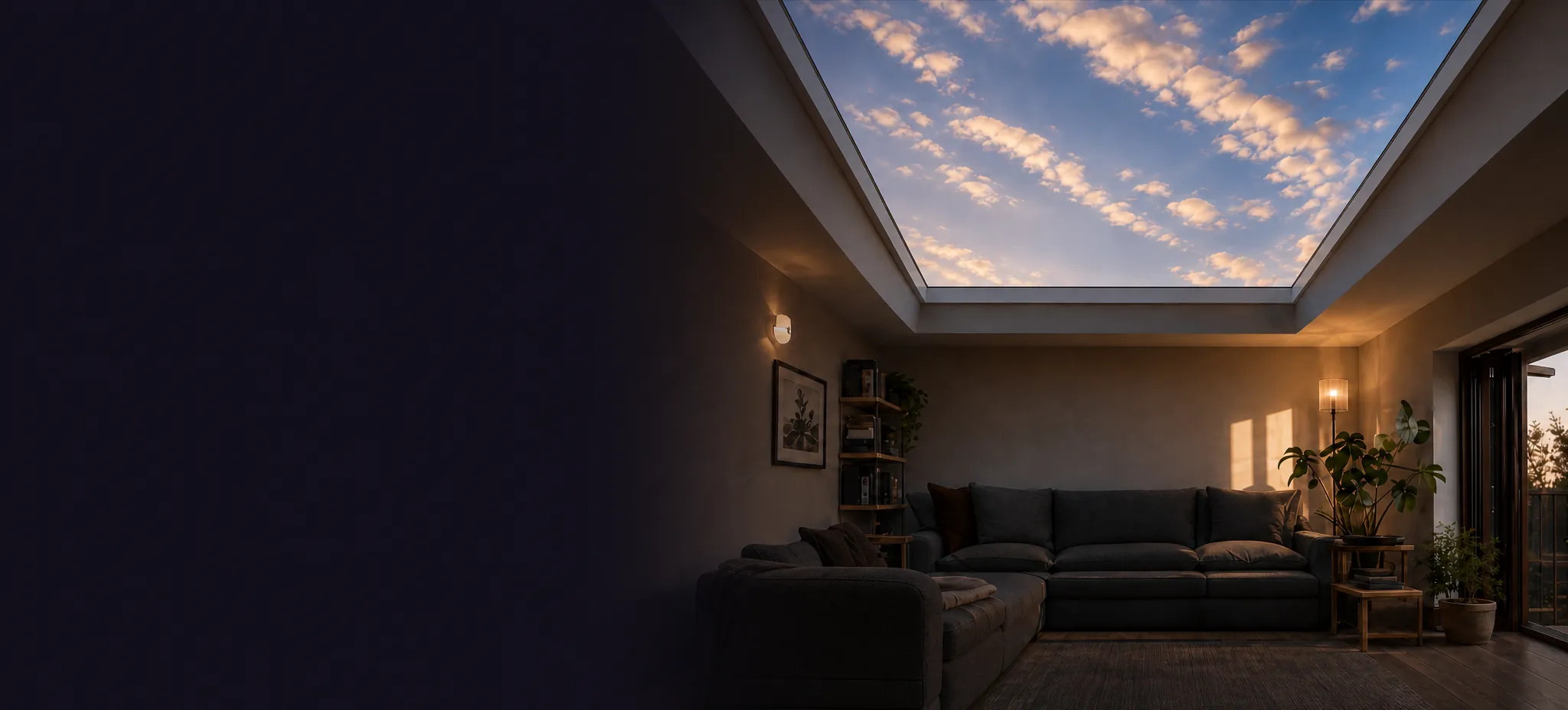
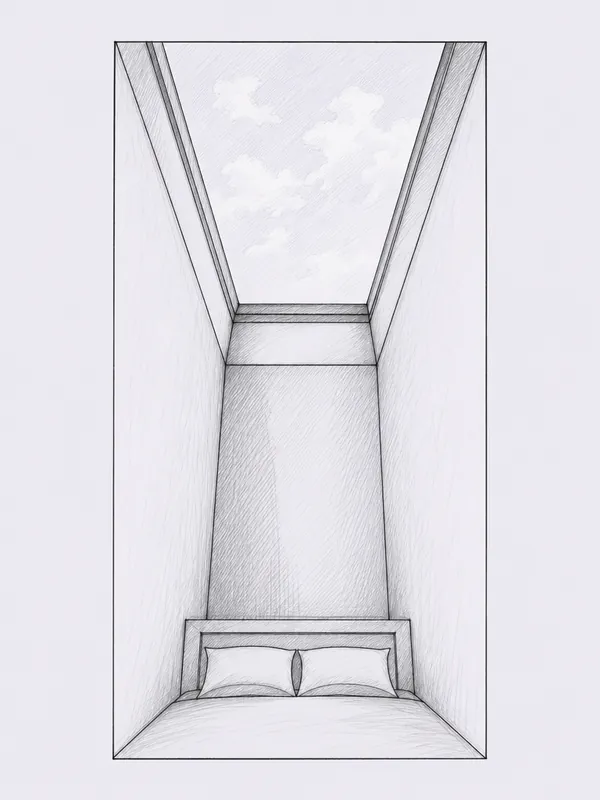
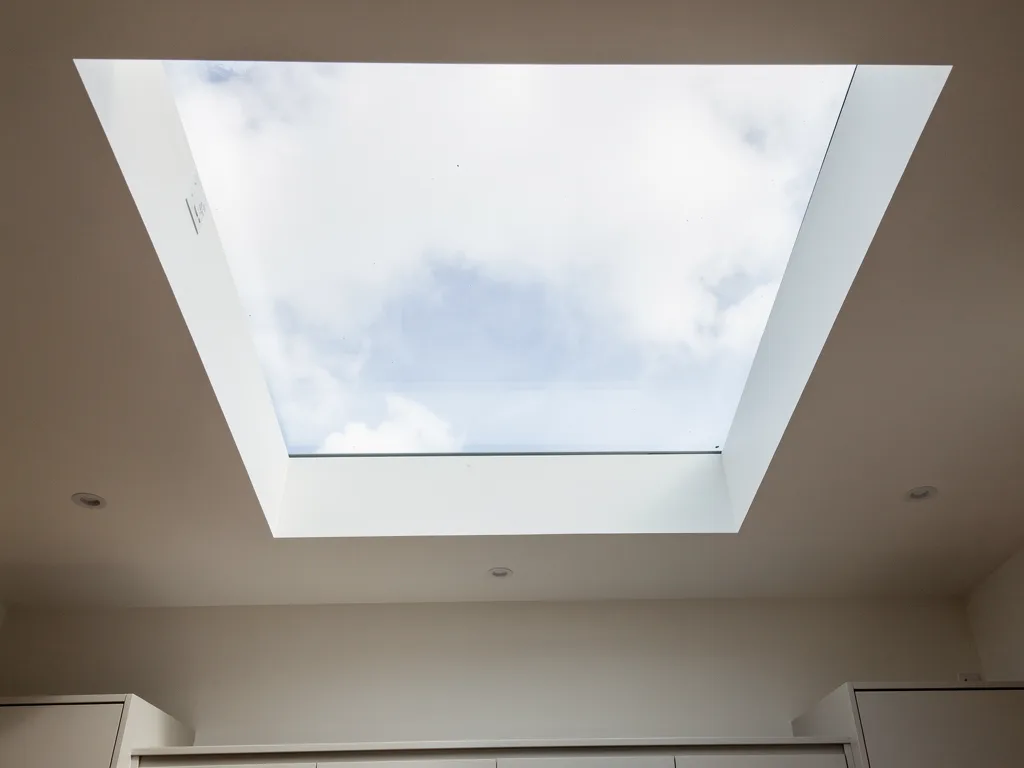
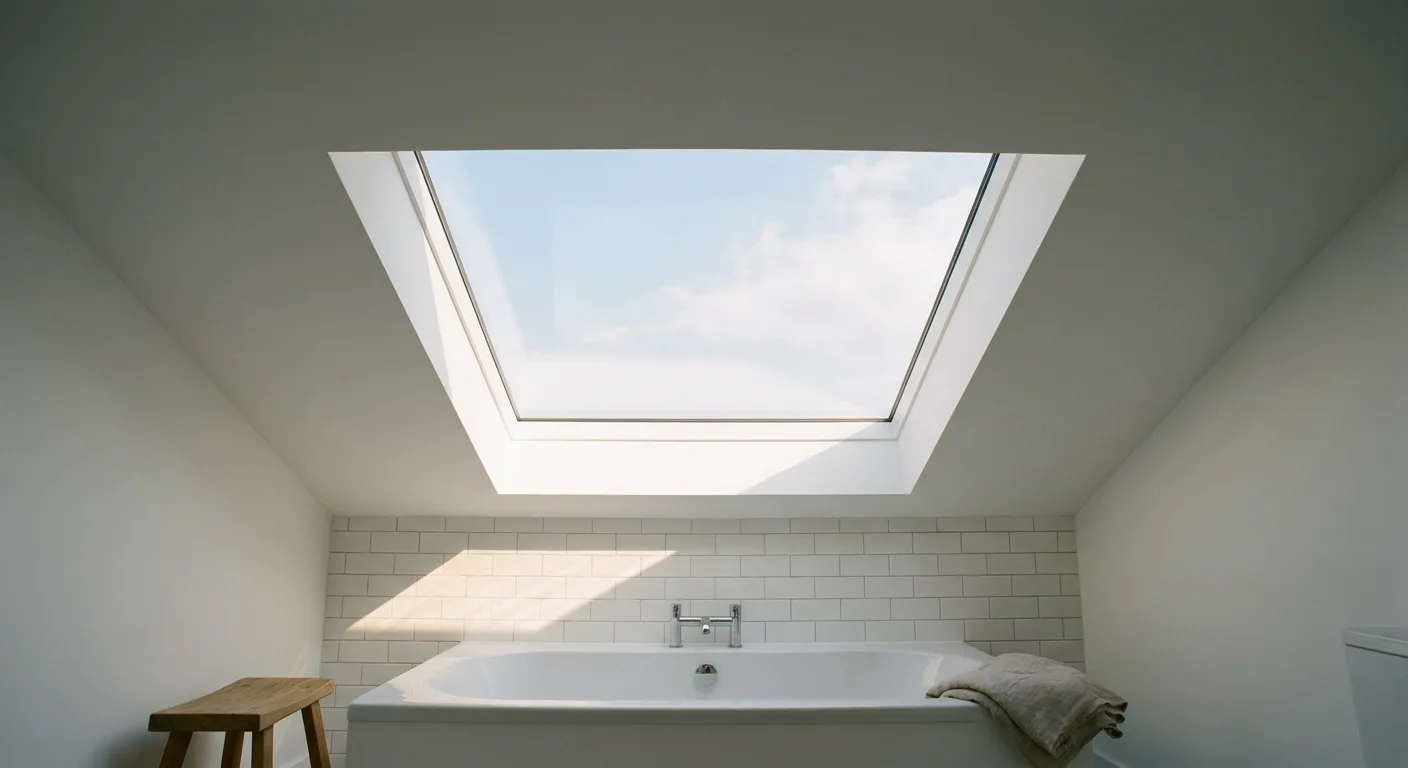
On a flat roof the choice widens. A flat roof rooflight sits on an insulated upstand and, in its slimmest form, reads from below as a sheet of glass with almost no visible frame. It is the purest view of the sky a house can have, because nothing crosses it. A roof lantern does something different: it rises above the roof in a small glazed pyramid or ridge, so you see sky in several directions at once and the room gains height. The trade-off is the glazing bars, which are part of the structure and sit in the view whichever way you look.
A walk-on rooflight is built to carry people, set flush into a roof terrace or a floor above. The glass is thick, laminated and sometimes lightly textured on top for grip, so the view up through it is softer than through a standard unit, but it brings sky into a room that would otherwise have none. At the far end of the list, a sun tunnel collects daylight in a small dome on the roof and carries it down a reflective tube to a diffuser in the ceiling. It is honest to say it gives light and no view at all, and that is exactly right for a windowless landing or an inner hallway where no rooflight could reach.
Two other hubs sit across all of these types rather than beside them. Conservation rooflights are roof windows with slim steel or steel-look frames that sit flush with the roof covering, for older and protected buildings. Energy efficient rooflights are about what goes into the glass and frame, whichever shape of unit you choose. For a longer side-by-side, our guides compare every type in plain terms.