Electric and Opening Rooflight Installation in Peterborough

Opening rooflights that ventilate a room on rain and wind sensors, powered by mains, solar or battery, specified so the deeper opening frame stays out of the view that matters.

What every opening rooflight job includes

  • A sightline sketch with the sash open and closed
  • Upstand or opening formed and insulated
  • Rooflight, motor and controls fitted
  • Made good and guaranteed for 10 years
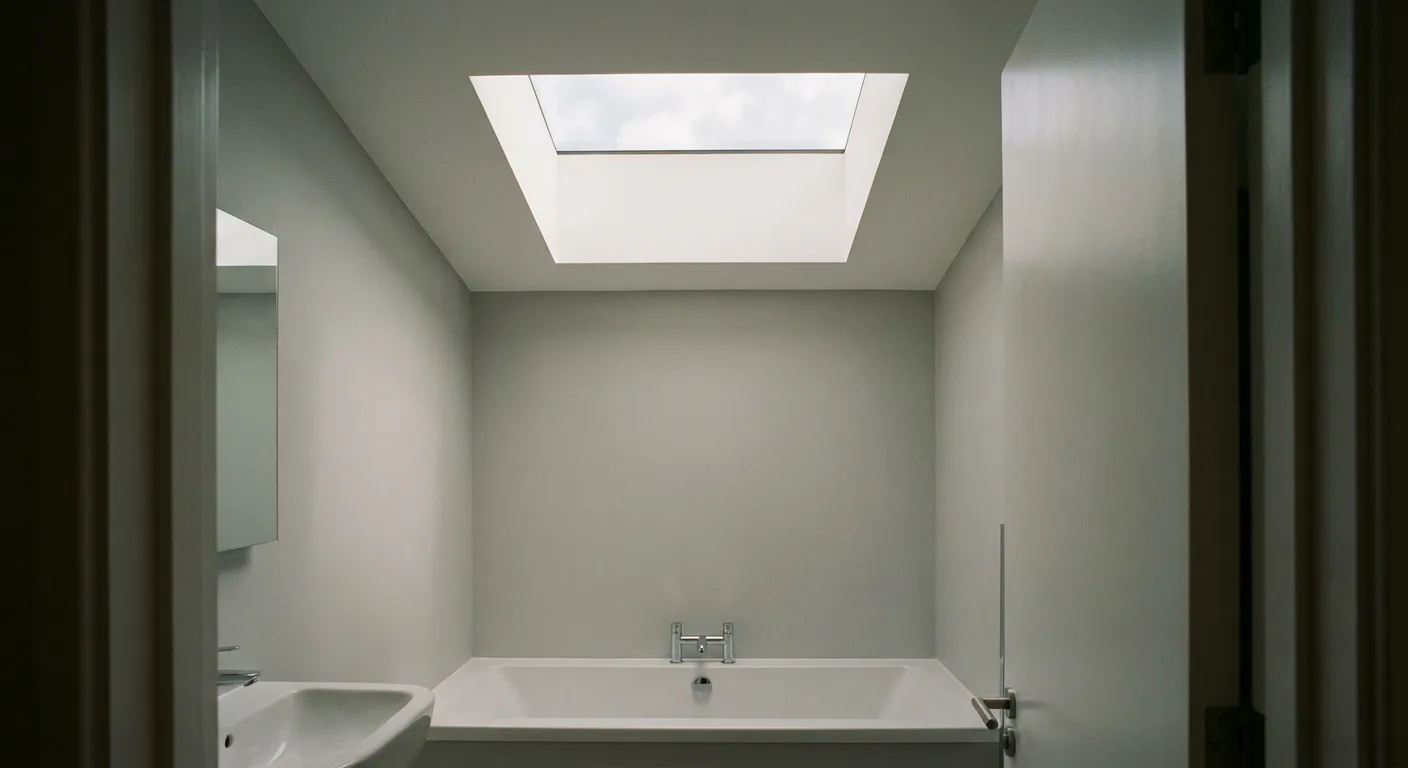
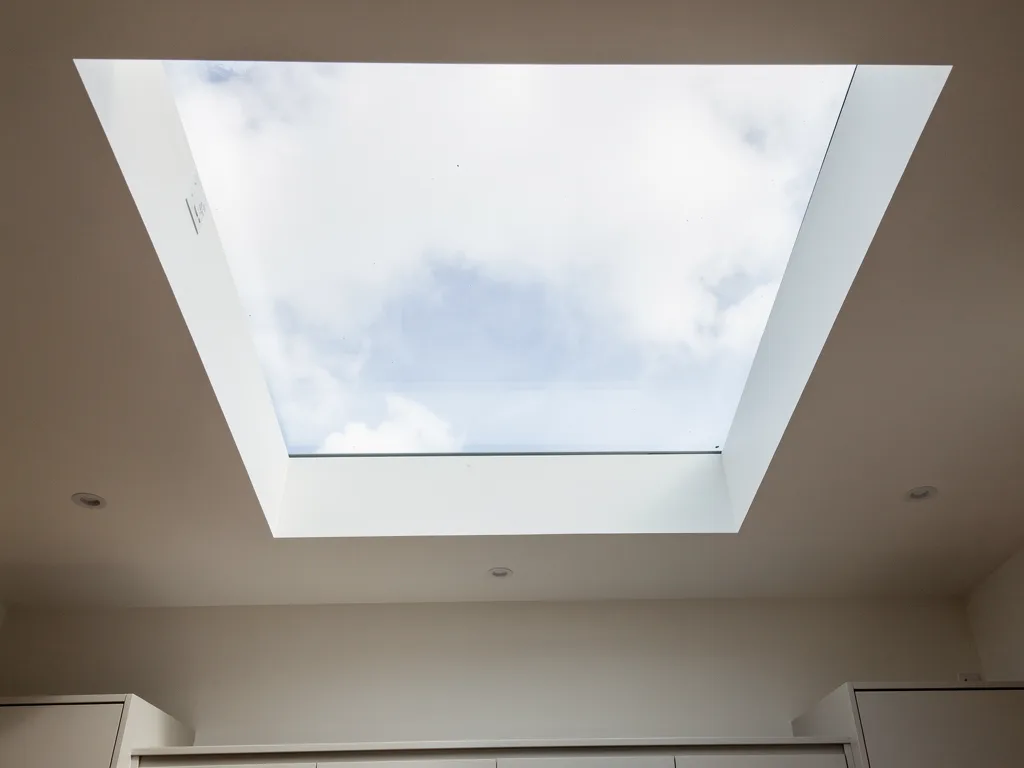
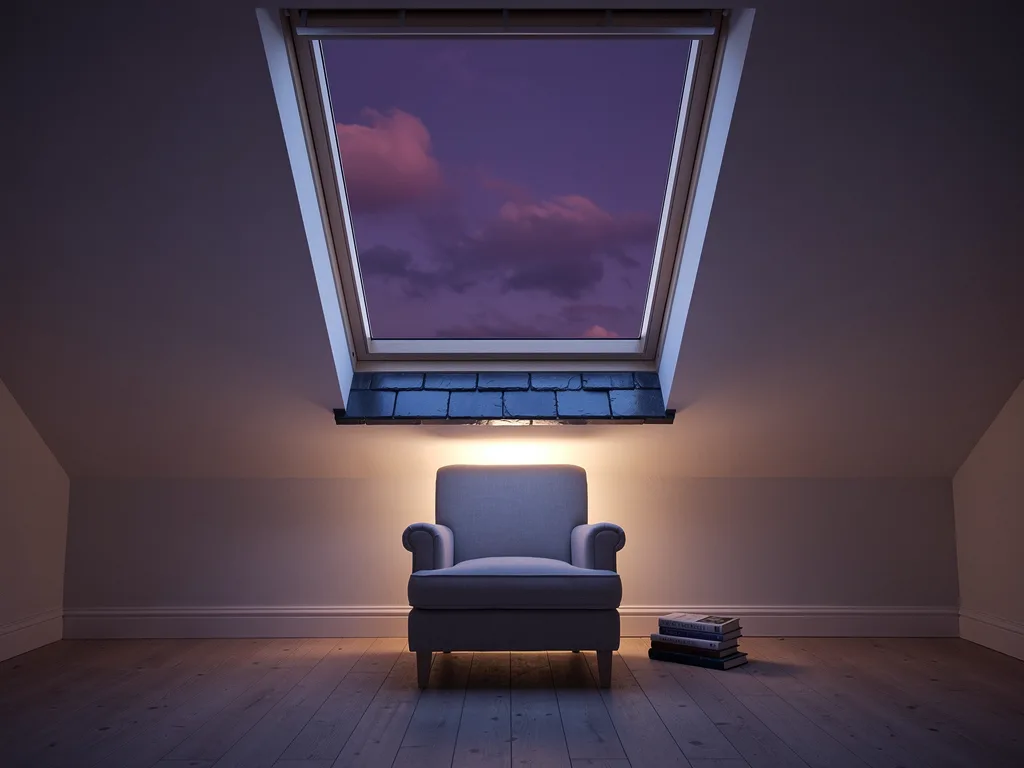
A finished opening rooflight in a Peterborough home

Fresh air without losing the view

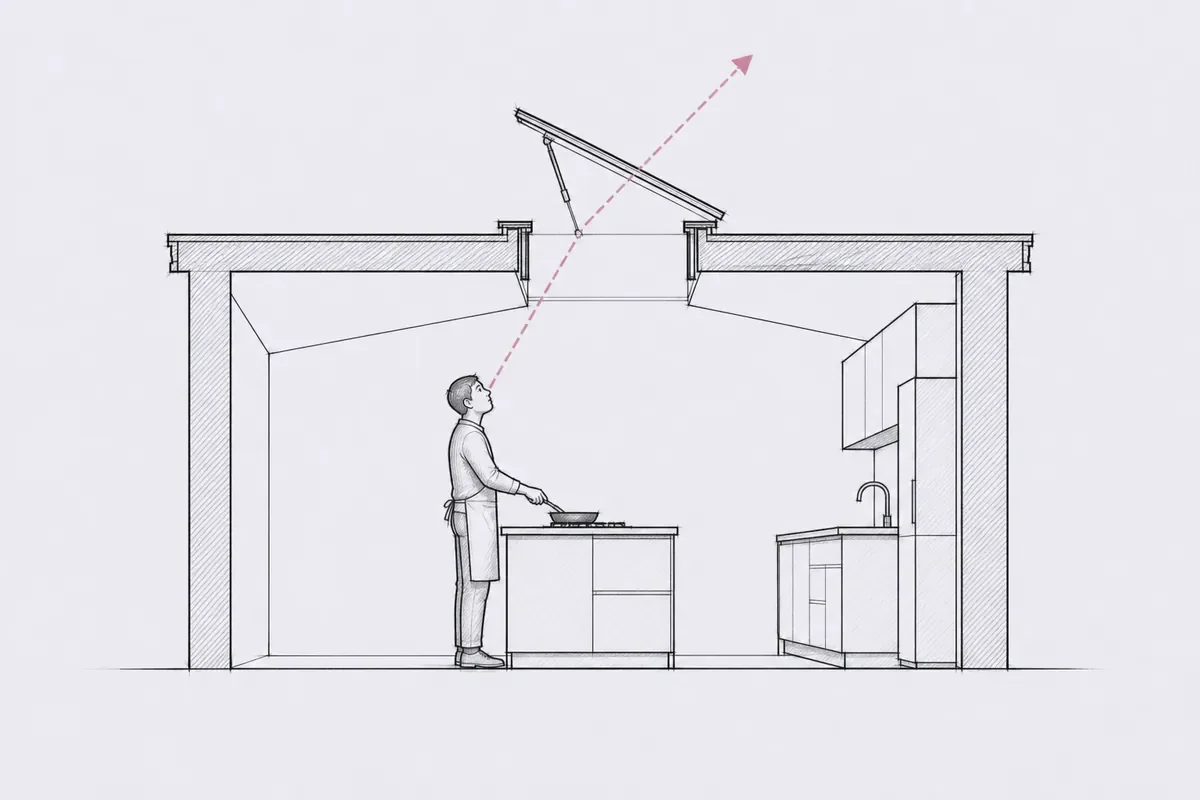
A side section: a dotted line rises from where a person sits, through the opening rooflight, to the open sky
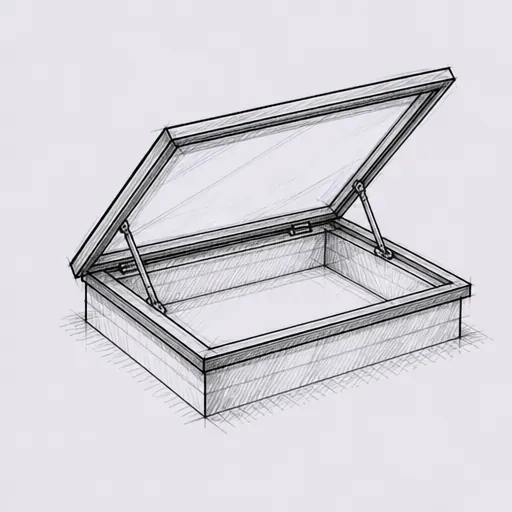
  • Hinged opening

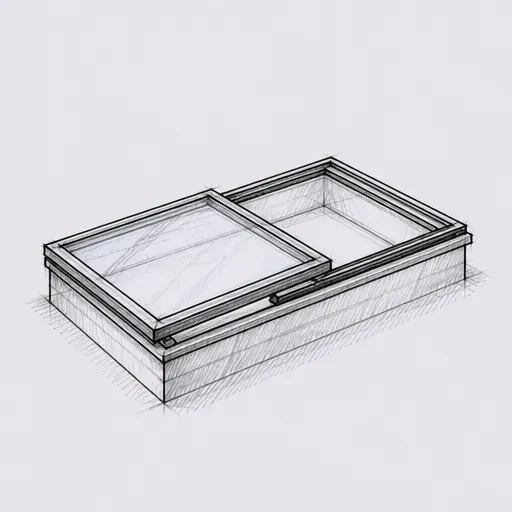
  • Sliding

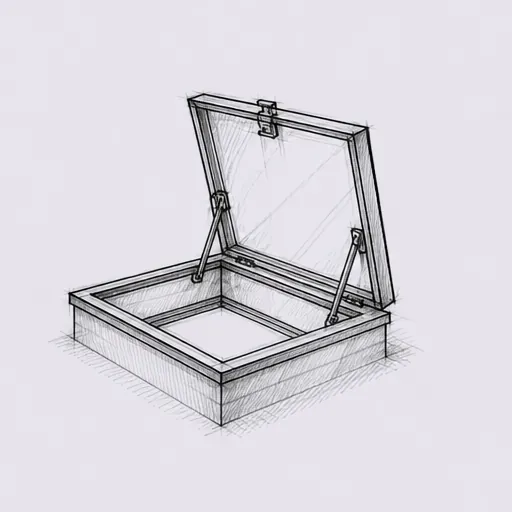
  • Access hatch

Choosing the opening rooflight

Opening rooflight options
OpeningHinged, sliding or access hatch
ControlWall switch or remote
SensorRain sensor to close the sash
PowerMains supply to the unit

Two kinds of rooflight: the ones that stay shut and the ones that open

Every rooflight is either fixed or opening, and that single choice decides more than whether you get fresh air. An opening rooflight adds a hinge, a slide rail or a motor to a piece of glass that used to be simple, and every one of those parts has to be placed so it does its job without becoming the thing you notice from the bed or the table.

A fixed pane is the plainest view you can buy: one sheet of glass, one frame, nothing to wire and nothing to service. An opening rooflight earns its keep in a different way. It clears steam from a bathroom after a shower, pulls the smell of last night's cooking out of a kitchen before breakfast, and lets warm air escape from a loft bedroom on a still July evening when nothing else in the room moves the air at all. Building Regulations ask for some form of ventilation in most habitable and wet rooms, and an opening rooflight is often the only sensible place to put it when the room has no external wall to take a window.

Manual and electric are the two ways to open one, and neither is the "better" choice in the abstract. A manual rooflight is opened by hand, with a winder, a pole or a spring-assisted strut. An electric one is opened by a small motor, on a switch, a remote or a timer, and it is the electric versions that carry the sensors, the wiring and the controls this page is mostly about. Our guide to how electric opening rooflights work sets out the mechanism end to end, from the motor to the switch on the wall, and is the right place to start if you are choosing between the two for the first time.

The view question sits underneath all of it. A fixed rooflight shows you a flat rectangle of sky with nothing behind it. An opening one, when it opens, brings a sash or a pane into motion in front of that rectangle, and where the hinge sits decides whether that motion happens above your eyeline or right across it. Planned well, from the seat or the pillow that matters, an opening rooflight looks exactly like a fixed one until the day you need it to move.
How an electric rooflight works, from the motor to the switch

An electric rooflight is a sash held on a hinge or a slide, driven by a small motor housed inside the frame, so nothing about the mechanism shows from the room below.

Two motor types cover most of the market. A chain actuator pushes a folding chain out of the frame to lift the bottom of a top-hung sash, the way an older skylight vent often worked, and it can push open a heavier pane. A spindle or rack motor turns a threaded rod that drives the sash directly, which tends to be quieter and is common on smaller vents and roof windows. Both run on a low safety voltage, stepped down by a small transformer, rather than mains voltage reaching the glass itself.

The transformer is the part that has to be planned for, because it needs a hidden home. On a loft conversion it usually sits above the ceiling void near the rooflight; on a flat-roof extension it can go in a kitchen cupboard or a nearby loft space, with a low-voltage cable run down to the unit. Getting that cable run in before the ceiling is closed up is one of the reasons an opening rooflight is worth deciding on early rather than as an afterthought once the plaster is finished.

Left to run on its own, the motor simply opens and closes on command. What turns it into something closer to a fitted appliance is the layer of sensors and controls wrapped around it, covered in the next two sections, and the switch, remote or app that starts and stops it, which our guide to controls, remotes and smart home links for rooflights goes through in full.

Most motors are built to run for a long working life with no attention beyond an occasional check that the vent seals and closes fully, and our answer on whether electric rooflights need maintenance covers what that check involves. When a motor does eventually reach the end of its working life, our answer on how long rooflight actuators last sets out what shortens or extends it.

Rain sensors, wind sensors and closing on their own

An electric rooflight left open when the weather turns is a wet ceiling waiting to happen, which is why almost every electric opening rooflight is fitted with a rain sensor as standard, and some carry a wind sensor alongside it.

A rain sensor is a small pad set into the outer face of the frame, carrying two exposed contacts. Rain bridges the contacts, the control unit reads the change, and the motor drives the vent shut within seconds, whether anyone is home or not. It resets itself once the pad dries, so the same sensor works job after job with nothing to reset by hand. Our guide to rain sensors and automatic closing goes through how the pad is wired in and what happens if the sensor itself fails.

A wind sensor is a different instrument, measuring air movement rather than moisture, and it matters most on rooflights that open wide or sit high on an exposed roof, where a gust can catch a fully open sash like a sail and strain the hinge or the actuator. It is also fitted as standard on smoke vent systems, covered further down, where a vent has to be stopped from opening into a strong wind that would drive smoke back into the stairwell rather than clearing it. Our answer on why a rooflight would need a wind sensor explains when the extra sensor earns its place and when a rain sensor alone is enough.

Both sensors close the vent; neither one locks it. A rooflight closed by its rain sensor still opens again on the next command, which is worth knowing if you are planning to leave a rooflight on a long automatic programme rather than checking it by hand.

Powering the motor: mains, low voltage or solar

An electric rooflight needs power to reach it, and there are three practical ways to get it there: a permanent low-voltage supply from the mains, a hardwired transformer fed from a spur, or a self-contained solar unit that needs no cable at all.

Power sourceBest suited toWhat it needsWatch for
Mains, via transformerNew extensions, loft conversionsA spur and a cable run before the ceiling closesAccess for any future service
Battery, charged by solar cellExisting roofs, retrofitsDaylight reaching the small panelA shaded roof slope
Rechargeable battery onlyOne-off or occasional ventsPeriodic rechargingLower cycle count between charges

A hardwired mains supply, stepped down through a transformer, is the most straightforward option where the ceiling is already open, because the cable run is easy to hide and the rooflight never needs attention beyond the switch. It suits a new loft conversion or an extension being built from scratch, where an electrician is already on site running other circuits.

A solar-powered unit carries a small photovoltaic cell built into the frame, charging a battery pack that drives the motor, with no cable back to the house at all. That makes it the practical answer on an existing roof, where opening the ceiling just to run a cable would undo the tidiness of the rest of the job. The cell needs daylight to reach it rather than direct, unbroken sun, so a shaded north slope under mature trees is the one placement to check carefully. Our answer on whether solar-powered rooflights work in winter covers how the shorter, duller days here affect the charge.

Whichever supply feeds it, the electrical connection itself is not a job for anyone without the right qualification, and our answer on who connects the power for an electric rooflight explains how that part of the work is coordinated with the rest of the install. Running cost is modest against most household bills, and our answer on how much an electric rooflight costs to run sets it against other small appliances so you can judge it for yourself.

Hinged or sliding: two ways to open, two shapes of view

A hinged rooflight swings a sash on a pivot; a sliding one moves a pane sideways or over a fixed neighbour. From directly underneath the difference barely shows, but it changes what the frame does the moment the rooflight is open.

A top-hung hinge lifts the bottom edge of the sash away from the frame, so the underside of the glass tilts into view from below, and the deepest part of that tilt sits closest to whoever is standing under it. A bottom-hung or pivot hinge does the opposite, dropping the top edge inward. A sliding rooflight keeps its pane parallel to the roof throughout, running back over a fixed section or into a housing at the eaves, so it never presents an angled underside to the room at all, at the cost of a slightly deeper frame to carry the running track. Our guide to hinged or sliding flat rooflights sets the two systems against each other in full.

None of that matters while the rooflight is shut, which is most of the time. It matters on the days it is open, and it matters most in a room where a hinged sash would swing directly into the sightline from the one seat everyone uses, such as a headboard set square under the vent. In that situation we look at whether the hinge can be turned ninety degrees, whether a sliding pane suits the roof better, or whether the opening rooflight simply belongs one bay along from the fixed pane that carries the main view, so the moving part answers to the ventilation brief and the still part answers to the sky. Our guide to opening rooflights and the view: frame depth when hinged works through exactly that trade-off room by room.

Side section: a dotted sightline rises from a seated eye position through a roof window to the open sky Eye positionFrame edgeSplayed revealOpen skyThe sketch: what you see from where you sit
The sightline sketch starts at your eye, not at the roof.

Purge ventilation, trickle vents and the stack effect

Ventilation comes in more than one speed, and an opening rooflight is usually asked to provide two of them: a fast, occasional flush of air and a slow, constant trickle, with the roof's own stack effect doing some of the work for free.

Purge ventilation is the fast kind: a large volume of air changed quickly, to clear steam after a bath or smoke and moisture after cooking. Approved Document F sets this out as rapid ventilation, commonly delivered by an openable area equal to a fraction of the room's floor area, and a single electric rooflight opened fully on its motor usually meets that requirement in one movement, on one switch, without anyone having to prop a window and hope for a breeze.

Trickle ventilation is the slow, constant kind, a small permanent air change that keeps a room fresh without anyone opening anything, and it is normally provided separately, through a slot built into the window or wall rather than through the rooflight's main sash. The two roles are not interchangeable, and our guide to rooflights for ventilation: purge, trickle and stack effect explains where each one is required and how a rooflight is specified to cover its share.

The stack effect is the free part. Warm air rises, and in a room with a rooflight at its highest point and an opening lower down, such as a door left ajar or a window on the floor below, the warm air leaves through the roof and pulls cooler air in behind it without a motor doing anything. It is the same principle that makes a roof lantern's own vent so effective over a kitchen, covered on our roof lantern installation page, and it works just as well through a single opening rooflight over a stairwell or a landing.

Where an opening rooflight should sit for the air to actually move

An opening rooflight placed for symmetry can still fail at its actual job if the air around it has nowhere to go. Position decides whether the vent clears a room in minutes or barely stirs it at all.

The highest point of a room's ceiling is usually the strongest position, because that is where the warmest, most humid air collects and where the stack effect pulls hardest. A rooflight set into a dormer cheek or a lower slope still ventilates, but works less hard for the same open area. Furniture and partition walls also matter more than the roof plan alone suggests: a tall wardrobe or a stud wall between the vent and the rest of the room can trap the air it is meant to be moving, so we look at the room's layout as it will actually be used, not just the roof plan. Our guide to where an opening rooflight should sit for airflow works through dormers, sloped ceilings and rooms with an awkward plan.

Cross ventilation, air entering low and leaving high through two openings on different sides of a room, clears a space faster than any single vent working alone. Where a landing or loft room has a window at one end and roof space at the other, positioning the opening rooflight to work with that window, rather than beside it, turns two separate openings into one working system.

  • Put the opening pane at the highest practical point of the ceiling, not the geometric centre of the room;
  • Keep the path between the vent and any door or lower window clear of tall furniture;
  • Where two openings exist, place the rooflight to work with the other one, not beside it;
  • On a converted loft, check the space above the ceiling is not itself sealed off, or the stack effect has nowhere to go.

Once fresh air is moving through a room, an opening rooflight will also carry cooking smells out with it far faster than an extractor fan working alone, which is one of the practical reasons a kitchen extension is such a common place to fit one, covered further down.

Manual opening rooflights: winders, poles and gas struts

Not every opening rooflight needs a motor. A manual rooflight opens by hand, through a winder, a telescopic pole or a spring-assisted gas strut, and for a room without an easy power run, or a modest budget, it does the same ventilating job without any wiring at all.

A winder is a geared handle, fixed to the wall or held on a long rod, that turns a chain or a rack the same way an electric actuator would, just under your own effort rather than a motor's. A pole with a hook or a loop reaches a rooflight set higher in a vaulted ceiling, unlatching it and pushing it open, then pulling it shut again from the floor. A gas strut works like the one holding a car's boot lid: it takes most of the weight of the sash once it is unlatched, so opening it is a light push rather than a lift, which matters on a larger pane that would otherwise be heavy to manage by hand.

The trade-off against an electric rooflight is straightforward: no motor, no transformer, no rain sensor to close it if a shower catches it open while you are out. That makes a manual rooflight better suited to a room you use often and are usually in when the weather changes, such as a landing or a home office, and less suited to a rooflight fitted somewhere it might be left open unattended. Our guide to manual opening rooflights: winders, poles and gas struts compares the three mechanisms and where each earns its keep, and our answer on whether an existing fixed rooflight can be made to open covers the more common question of converting a rooflight that was never designed to move at all.

Electric rooflights in kitchens and bathrooms

Kitchens and bathrooms produce more moisture than any other room in the house, in short, intense bursts rather than a steady trickle, which is exactly the pattern an electric rooflight with a rain sensor and a timer is built to answer.

A shower or a bath can put a surprising volume of water vapour into a bathroom in a few minutes, and a bathroom rooflight opened on a timer, run for a set period after the light goes on, clears that vapour before it settles on a cold mirror or a cool ceiling. Because the rain sensor closes the vent automatically, it can be left running on its own programme without anyone needing to remember to shut it before leaving the house. Our guide to electric rooflights in kitchens and bathrooms goes through bathroom timers and kitchen placement side by side.

A kitchen extension asks for something slightly different: less about steady humidity and more about clearing a sudden burst of steam, heat and cooking smell in one movement, ideally the moment it is produced rather than minutes later. An extractor hood over the hob does the close, targeted work; an opening rooflight set at the room's highest point clears what escapes it, and does so faster than a single extractor working alone, which our answer on whether an opening rooflight helps clear cooking smells sets out in more detail. Where flies and moths are a concern with a vent left open on a summer evening, our answer on whether an opening rooflight can have an insect screen covers the mesh options available for each system.

Access hatch rooflights for a roof terrace

Some opening rooflights are not really about ventilation at all: they are a door in the roof, sized and hinged to let a person step through onto a roof terrace or a flat section of roof used for access.

An access hatch rooflight is built heavier than a standard vent, because its glass has to carry a person's weight when closed and take the load of being stood on and stepped through when open, and its opening mechanism has to hold the lid safely clear rather than merely tilt a pane for air. Most are driven electrically, since a walk-on hatch is genuinely heavy to lift by hand, and most carry a hold-open device that locks the lid at full travel so it cannot swing shut on anyone climbing through. A retractable or fixed ladder usually sits below it, and the whole assembly has to be planned around the room underneath just as carefully as the terrace above it. Our guide to access hatch rooflights for roof terraces covers sizing, glazing strength and the ladder arrangements that go with one. Where the terrace itself needs a walkable surface rather than just an access point, our walk-on rooflight installation page covers the flooring-grade glass that carries it.

Smoke vent rooflights over a stairwell

A rooflight over a stairwell can do a second job beyond light and air: on a block of flats or a house with a long escape route, it can serve as the automatic opening vent that clears smoke from the stairs in a fire, keeping the escape route usable for longer.

Approved Document B sets out where a stairwell serving several storeys, particularly in a flat conversion or a larger house, needs a smoke outlet at its head, and a rooflight is often the natural place to put one, since the top of the stairwell is usually already the highest point of the roof. A smoke vent rooflight looks like any other electric opening rooflight from below, but its control system is wired into the building's smoke detection rather than a household switch, so it opens on its own the moment smoke is detected rather than waiting for anyone to reach for a remote. Because it has to open reliably against wind pressure at the worst possible moment, a wind sensor and a dedicated back-up power supply are built into the system rather than treated as an option, and the vent itself is specified to meet the relevant British and European standard for smoke and heat exhaust ventilators rather than a household one. Our guide to smoke vent rooflights on stairwells covers how that specification differs from a household vent, and our answer on whether an opening rooflight can be fitted over a stairwell covers when a household vent is enough and when the escape-route rules take over.

Safety: pinch protection, restrictors and keeping control in the right hands

A rooflight that moves under a motor has to be designed so it cannot trap a hand, a curtain or a curious child, and the safeguards for that sit in the mechanism itself rather than in anything you have to remember to do.

Pinch protection senses resistance as the sash closes: if anything, or anyone, is in the way, the motor stops and reverses rather than continuing to drive shut, the same principle used in an electric car window or an automatic gate. A restrictor is a simpler, mechanical safeguard, limiting how far a rooflight can open at all, which matters most on a vent set low enough in a room for a child to reach, or where a room below the vent is used by young children unsupervised. Our guide to safety on opening rooflights: pinch protection and restrictors goes through both in full, and our answer on whether an electric rooflight is secure when open covers the separate question of a vent left ajar overnight.

Control also has a security side to it that has nothing to do with the mechanism: who can open the vent at all. A key switch, an app with its own login, or simply keeping the remote out of reach of small hands, each answers a slightly different concern, and it is worth deciding which one matters in your household before the switch position is fixed on the wall.

Controls, remotes and building it into the rest of the house

A rooflight bought on its own comes with a wall switch or a single remote. Bought as part of a wider plan, it can be grouped with other vents, brought into a smart home system, or set to run on its own daily programme without anyone touching a switch at all.

A single remote drives one rooflight; a group remote or a household hub can drive several at once, closing every vent in the house with one button when you go out or when rain starts across the whole roof, which our answer on whether one remote can control several rooflights explains in more detail. A wall switch remains the simplest option and suits a household that prefers a fixed control in a fixed place; our answer on whether an electric rooflight needs a wall switch sets out when a switch is worth keeping alongside a remote rather than instead of it.

A timer function lets a bathroom vent run for a set period after the light comes on and then close itself, and our answer on whether an electric skylight can be put on a timer covers how that schedule is set and changed. Where the household already runs a smart home system, most rooflight ranges can be brought into it, so a single morning routine can open the bedroom vents while it turns up the heating, without a separate app to learn. Our guide to controls, remotes and smart home links for rooflights covers which systems talk to which, and how much of that a household actually wants day to day, since the simplest working control is usually the one that gets used.

Section through a pitched roof window: fitted between rafters with trimmers, flashing to the tiles outside and an insulated, splayed lining inside Roof window and flashingTrimmed raftersSplayed, insulated liningTiles or slates
Trimming, flashing and lining are the three parts of a roof window job that decide how it performs and looks.

An electric rooflight can also be fitted directly into a pitched roof between the rafters, in the same way a roof window sits, rather than only into a flat roof upstand, and the motor and sensors work the same way in either case. Our roof window installation page covers the pitched-roof frame and lining in full, and a loft conversion is one of the most common places the two meet, since a loft bedroom often needs exactly the ventilation an electric rooflight provides in a room with no other outside wall to take a window.

Heat, glass and what an opening rooflight costs to run through the year

A rooflight that opens has a seal that a fixed one does not, and it is a fair question whether that seal lets more heat escape once the vent is closed again for the winter.

A well-made opening rooflight, correctly installed and closed, performs close to a fixed unit of the same glass specification, because the loss through an ordinary closed seal is small next to the loss through the glass itself. The bigger factor by far is the glass build-up chosen for the unit, in the same way it is for a fixed pane, covered across our energy efficient rooflights page. Our answer on whether opening rooflights lose more heat than fixed ones sets the numbers out properly, and it is one worth reading before ruling an opening rooflight out of a well-insulated loft bedroom on heat-loss grounds alone.

Running cost, as opposed to heat loss, is a separate and much smaller question: the motor itself draws power only for the few seconds it takes to open or close, not while it sits shut, so an electric rooflight run on a daily bathroom timer costs very little to operate over a year, as our earlier answer on running cost sets out.

Building Regulations and the electric part of the job

Fitting an opening rooflight touches more parts of Building Regulations than a fixed pane does, because ventilation, electrical safety and, on stairwells, means of escape all come into it alongside the structural opening itself.

Approved Document F sets the ventilation standard the finished room has to meet, whichever mechanism gets you there. Approved Document P covers the electrical work needed to power the motor, which is why the connection is made by someone qualified to certify it, rather than left as a spare cable dangling in the loft. On a stairwell fitted with a smoke vent, Approved Document B sets the additional standard for the escape route itself. We handle the Building Control notification wherever the work is notifiable, install to current Building Regulations throughout, and back the finished job with our 10-year workmanship guarantee, whether the rooflight that goes in opens by hand, by motor, or does not open at all.

Questions about electric and opening rooflights

These are the questions that come up most often once a household starts weighing an opening rooflight against a fixed one, gathered here rather than scattered through the guide above.

Will an electric rooflight close if the power goes off?

Most systems are designed with this exact situation in mind, and the answer depends on which power source and back-up the unit carries. Our answer on whether an electric rooflight will close if the power goes off sets out what happens on mains, battery and solar systems, and what a smoke vent does differently.

How far does an electric rooflight open?

Opening travel varies by hinge type, size and the model chosen, and it is set at the survey to suit the ventilation the room needs. Our answer on how far an electric rooflight opens covers the typical range for each mechanism.

Are electric rooflights noisy when opening?

A modern spindle or chain motor runs quietly, closer to a soft hum than the whirr of an older mechanism, though the exact sound depends on the drive type and the size of the sash it is moving. Our answer on whether electric rooflights are noisy when opening compares the mechanisms directly.

Do electric rooflights need maintenance?

Very little, but not nothing: seals, sensors and the running track all benefit from an occasional check. Our answer on whether electric rooflights need maintenance sets out what that check covers and how often it is worth doing.

Can an existing fixed rooflight be made to open?

Sometimes, depending on the frame system it belongs to and the roof structure around it, though it is often more straightforward to plan an opening unit alongside the fixed one from the start. Our answer on whether an existing fixed rooflight can be made to open covers when a conversion works and when it does not.

Is an electric rooflight secure when open?

A vent left ajar overnight is a fair worry, and most systems address it with restricted opening positions and a frame built to resist forced entry even at full travel. Our answer on whether an electric rooflight is secure when open goes through the detail.

How long do rooflight actuators last?

A well-specified actuator, kept clear of moisture ingress and used within its rated cycle life, has a long working life relative to most household appliances. Our answer on how long rooflight actuators last sets out what shortens that life and what protects it.

Can an electric rooflight go in a loft conversion?

Yes, and it is one of the most common places for one, since a loft bedroom or bathroom often has no other outside wall to take a window and relies on the roof for both light and air. Our answer on whether an electric rooflight can go in a loft conversion covers the ventilation and escape-window rules that apply.

Do opening rooflights lose more heat than fixed ones?

Closed and sealed correctly, the difference against a fixed pane of the same glass specification is small, and the glass build-up matters far more than the seal. Our answer on whether opening rooflights lose more heat than fixed ones sets the figures out properly.

Can an opening rooflight have a blind?

Yes, and the blind is fitted to work alongside the opening mechanism rather than against it, so it can be run up clear before the vent opens. Our answer on whether an opening rooflight can have a blind covers how the two are combined.

Where do I start?

Book a home visit or message us on WhatsApp. We cover Peterborough and 30 miles around, and every quote comes with a sightline sketch showing what you will see from the seat or the bed that matters, opening rooflight or fixed. You can read about every other rooflight and skylight we install in Peterborough before we visit, browse what affects the cost of a rooflight and see how we draw the sightline sketch, then book your home visit when you are ready.

Book a home visit

Tell us which room

  • No obligation
  • Sightline sketch included
  • 10-year guarantee

Or call 01733 736163

Call Book a home visit