Question · Sun tunnels
Is a Sun Tunnel Any Use on a Grey Day?
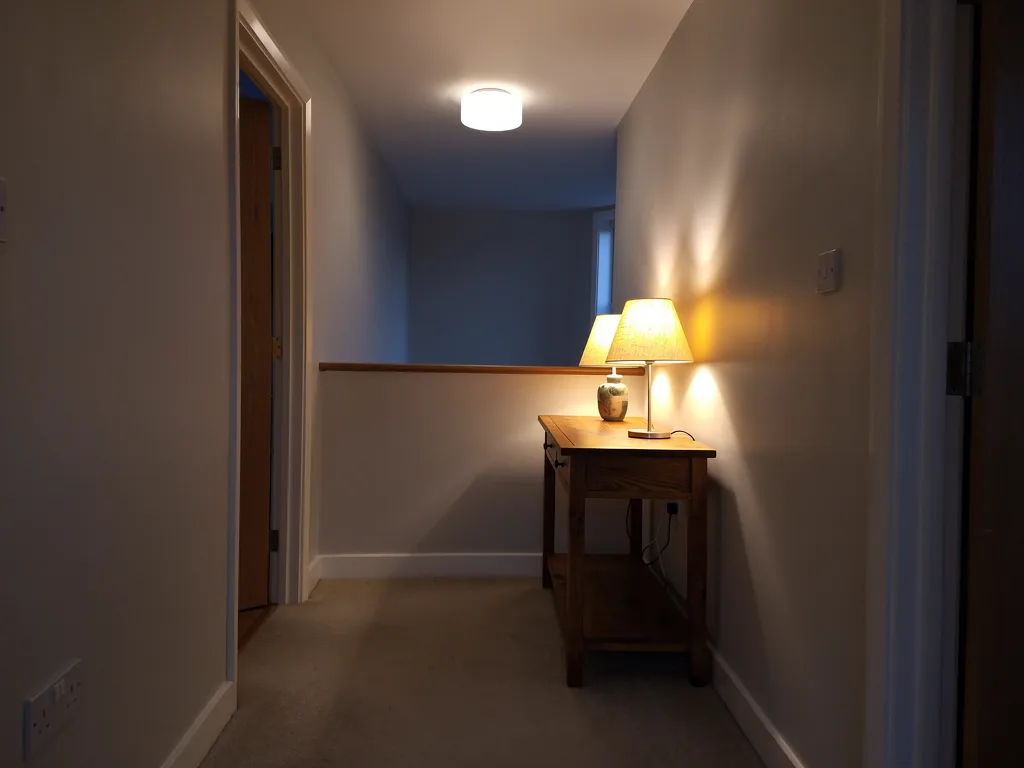
Why cloud changes the picture but does not switch it off
A window works on direct beams. A sun tunnel works differently: the dome on the roof gathers light scattered right across the sky, then a reflective tube carries it down and a diffuser spreads it evenly into the room. On a clear day, a good share of that light comes straight from the sun. On a grey day, the sun itself contributes almost nothing, but the cloud layer is still bright, scattering daylight in every direction rather than blocking it outright.
That is the physical reason a tunnel keeps working under cloud when a shaded rooflight or a north-facing window goes quite flat. The dome does not care which direction the useful light is coming from; it collects whatever falls across it. What changes is the total amount reaching the tube, and that is where the tunnel's own geometry starts to matter.
What decides how much daylight gets through on a dull day
Four things set the outcome, and they matter more, not less, once the sky itself has less to give.
- Tube diameter. A wider tube collects a larger patch of sky and loses proportionally less light to the walls of the tube on the way down. See sun tunnel sizes and diameters for how the common sizes compare room by room.
- Tube length and bends. Every extra metre and every offset around a joist or a water tank costs some of the light the dome collected. A short, straight run through a bungalow loft keeps far more of a grey day's light than a long route with two or three turns; see how long can a sun tunnel be and sun tunnel routes through lofts.
- Rigid or flexible tube. A rigid tube has a smoother, more reflective inner surface than a flexible one, so it carries a grey day's thinner light more efficiently over the same distance. The trade-offs are set out in rigid tube or flexible tube.
- Diffuser choice. A clear or prismatic diffuser passes more of the light that arrives; a heavily frosted one spreads it more evenly but loses some brightness doing it. That balance is covered in sun tunnel diffusers and ceiling finishes.
Get those four right for the room and its route, and a tunnel stays genuinely useful under Peterborough's flat Fenland cloud, not just on the handful of bright days either side of it.
Orientation matters less than the compass would suggest
With a window, the compass point the room faces decides most of the light it gets. A sun tunnel is less sensitive to this because, on an overcast day, there is no strong directional beam to lose in the first place: the whole sky is the source. A tunnel on a north slope of a roof still performs close to one on a south slope under thick cloud, though the gap opens up again once the sun comes out. Does a sun tunnel work on a north-facing roof goes through this in more detail, including where a tunnel on a north slope is still the right call.
What a grey day looks like against a sunny one, room by room
| Room | Bright day | Overcast day | What still helps |
|---|---|---|---|
| Hallway or landing | Reads like daylight | Clearly lit, softer | Wide, short, straight run |
| Windowless bathroom | Bright, even | Usable without the mains light | Rigid tube, clear diffuser |
| Kitchen over an island | Strong pool of light | Gentle, needs the pendant too | Larger diameter, low bend count |
| Deep bungalow core | Good general lift | Modest, task light still needed | Second tunnel over a single large one |
The pattern holds across rooms: a sun tunnel takes a space from needing the mains light on all day to needing it only for close work, rather than replacing artificial light altogether once the sky itself is dull.
Where a grey day genuinely catches a tunnel out
Two situations are worth being straight about. A small diameter tube fitted mainly to save on roof disruption will always struggle most on the dullest days, because there is little spare capacity in the system once the source itself is weak. And a long run with a tank, a beam or a chimney breast forcing two or three bends loses enough light at each turn that a grey day can leave the room noticeably dimmer than the same tube on a straight run would. Neither is a reason to avoid a tunnel; both are reasons to plan the diameter and the route for the room before the roof is opened, not after.
A sun tunnel gives light, not a view
It is worth being clear about what a tunnel does and does not do, grey day or not. The diffuser at ceiling level scatters the daylight evenly across the room, which is exactly what makes a windowless space workable, but it means you never see sky, cloud or blue through it the way you would through a rooflight or a roof window. If what you actually want from a room is a view up through the glass, that is a different product with a different set of decisions, covered honestly in sun tunnel or rooflight: light or view. If it is daylight into a dark corner without opening up a full rooflight, a well-specified tunnel keeps earning its place through a Peterborough winter of grey skies, not only on the days either side of it.
We install to current Building Regulations and handle the Building Control notification where the work is notifiable, and every job carries a 10-year workmanship guarantee. If you want a route and diameter sized for your actual roof and room, book a home visit or message us on WhatsApp, and we will work out what a grey day will really look like in your ceiling before anything is cut. See the full range of options on the sun tunnel installation page.
Questions people also ask
Will a sun tunnel be dark on a heavily overcast winter day?
Dimmer than a bright day, yes, but not dark. The dome still collects scattered daylight from the whole sky, so a well-sized, short, straight tunnel keeps a hallway or bathroom usable without the mains light on for most of the day, even under thick cloud.
Does fog or heavy rain block a sun tunnel more than plain cloud does?
Fog and heavy rain both cut the overall light level further, in the same way they dim any room with glass in the roof or walls. The tunnel keeps working on the same principle: it is passing on whatever daylight is actually available outside, not creating its own.
Should I fit a bigger tunnel because Peterborough has a lot of grey days?
If the room and the route can take it, a wider diameter is the single biggest lever for keeping performance up on dull days, more so than any brand or dome coating. It is worth discussing at survey stage against the loft space you actually have; see sun tunnel sizes and diameters.
Is it worth pairing a sun tunnel with an electric light on a dimmer?
A light fitting built into the diffuser housing is a common addition for exactly this reason. Add-on options are set out in add-on kits for sun tunnels, and dimming is covered in can a sun tunnel be dimmed or closed off.
Book a home visit
Tell us which room
- No obligation
- Sightline sketch included
- 10-year guarantee
Or call 01733 736163