Guide · Misted and failed rooflight replacement
Replacing the Glass Unit or the Whole Rooflight
Mist, a crack or yellowed plastic does not always mean a new frame. Here is how we decide whether the glass alone, or the whole rooflight, needs to be replaced.
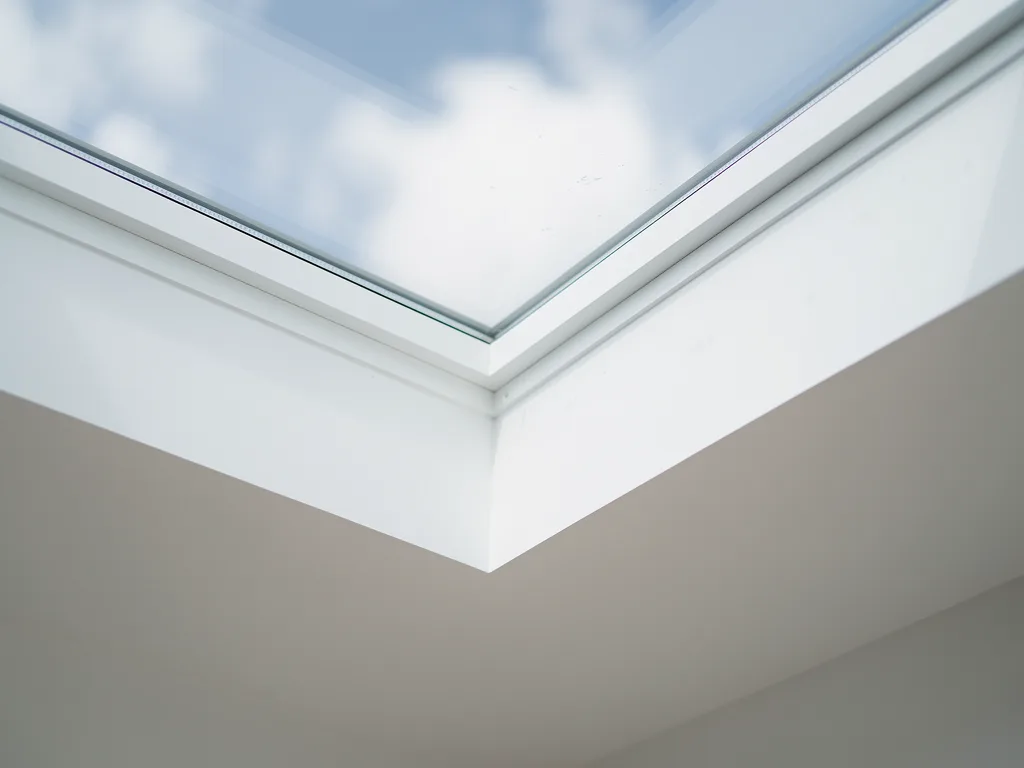
Two very different jobs hide behind one failed pane
A misted, cracked or yellowed rooflight always starts with the same question from the room below: does the glass need to change, or does the whole thing need to come out? The answer decides how long the visit takes, how much disturbance the room sees, and what the finished job looks like from the bed, the sofa or the sink.
The glass unit and the frame around it fail for different reasons and on different timelines. A sealed unit can fail after a relatively short life if the original seal was poor, while the frame holding it stays sound for decades. Equally, a frame can warp, corrode or seize long before the glass inside it has misted at all. Treating the two as one question, and simply reordering whatever is already there, is how a straightforward glass swap turns into an oversized quote, or how a tired frame gets a new pane pressed into it and fails again within a few years. Our misted and failed rooflight replacement service exists to make that call properly on every visit, and this guide sets out how.
What a survey is actually checking
Before anything is ordered, the visit looks at four things, in this order: the glass, the frame, the kerb or rafter it sits in, and the opening gear if the rooflight vents.
The glass is checked first because it is usually why the visit was booked. Mist trapped between the panes, a crack that has spread, or plastic that has clouded and gone brittle all point to the same next step: the sealed unit or the sheet needs replacing. What the glass fault does not tell you, on its own, is anything about the frame underneath it. That is checked separately, by hand: is the frame still square in its opening, still flat along each edge, and still holding a weathertight line where it meets the kerb or the roof covering? A frame that flexes, that has a corner out of true, or that no longer closes fully if it is meant to open, has a problem the new glass will not fix.
The kerb, upstand or rafters are looked at next, because they carry the frame's load and its weatherproofing, and a fault here changes the job regardless of what the glass or frame need. Finally, on any rooflight that opens, the hinge, stay and any motor or seal around the vent are tested through a full cycle, since seized or corroded gear is a frame problem in all but name. Our guide to when a failed frame means full replacement goes through each of these checks in more depth; here the point is simply that all four get looked at before either route is chosen, not just the pane that prompted the call.
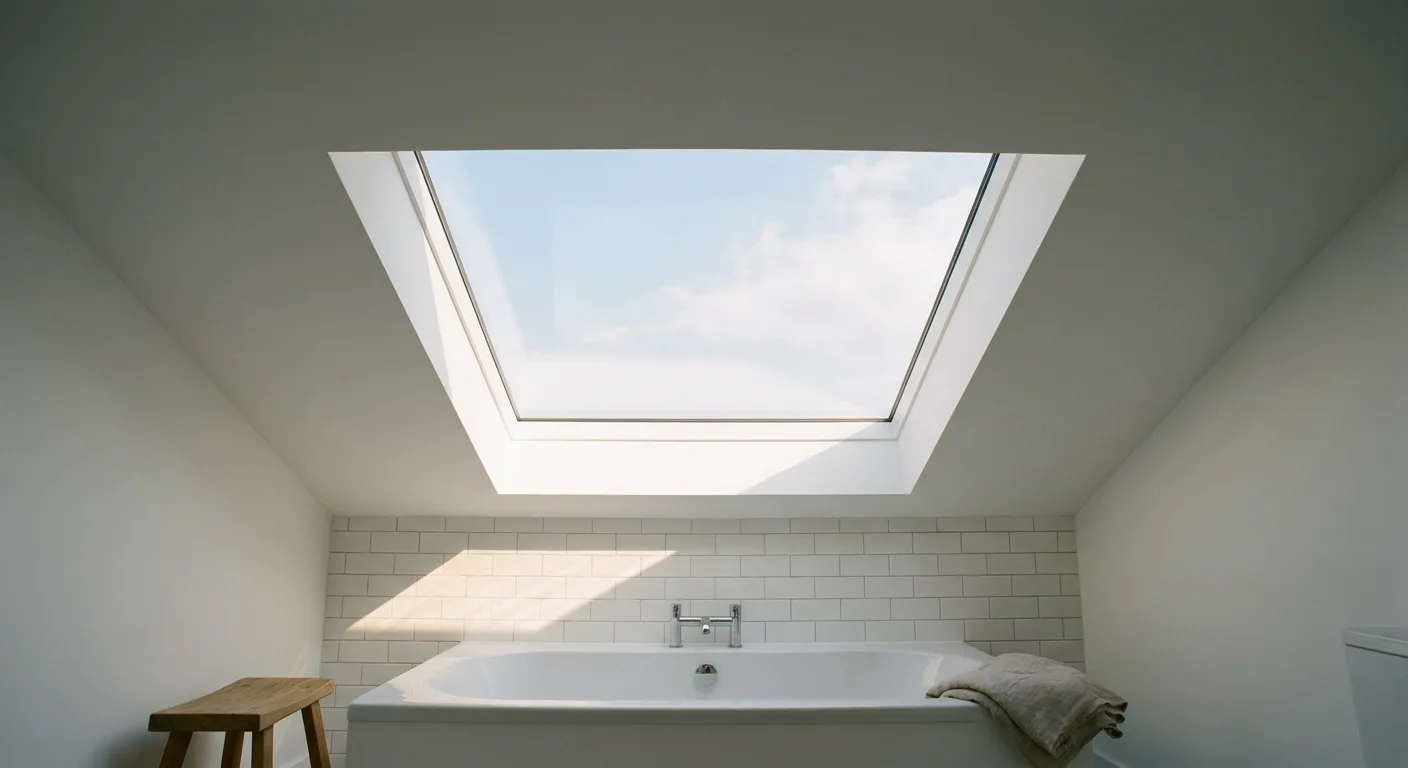
When the glass alone does the job
Most misted units, and a good many cracked ones, are replaced without touching the frame at all, because the frame has done nothing wrong.
A frame qualifies for a glass-only swap when it meets a short, practical list: it is still square and flat, its weathertight seal to the kerb or roof is intact, its opening gear (if it has any) still works through a full cycle, and its glazing rebate is a size and depth a current sealed unit can still be made to fit. Where all of that holds, the failed unit lifts out, a new one goes in on fresh setting blocks and seals, and the beads or caps go back on around it. The kerb, the flashings, the lining and the plaster around the opening are untouched throughout, which is why a glass-only job is usually the shortest and least disruptive route available.
Our guides to how a rooflight unit fails and mist gets between the panes and to spotting failed edge seals early cover the mechanism behind most glass-only calls, and our guide to choosing glass for a replacement unit covers what actually goes into the new pane once the frame has been passed as sound.
When the whole rooflight has to come out
The frame is what forces a full replacement, not the glass, and it is worth being specific about which frame faults do that, because "the frame looks a bit tired" on its own is not one of them.
- PVCu that has warped, bowed or discoloured enough that it no longer sits flat against the glazing gasket, so a new seal would be asked to work against an uneven surface from day one.
- Timber that has swollen, split or rotted at a joint or corner, which weakens the frame's grip on the glass and its seal to the kerb at the same time.
- Opening gear, hinges or a motor that has seized or corroded beyond freeing, which is a safety issue on a vented rooflight as much as a comfort one.
- A frame profile old enough, or unusual enough, that no current sealed unit is made to the size and rebate depth it needs.
Where one or more of these is present, fitting new glass into the existing frame only shortens the life of the new seal, since the movement or the gap that caused the old failure is still there underneath. In that case the whole rooflight, kerb and any adaptor permitting, is renewed as one job, and the old frame comes out with the glass rather than staying in place. Our guide to when a failed frame means full replacement works through each of these faults on its own, and our answer on what happens to the frame when a rooflight unit is replaced explains what is taken out and what, if anything, is kept.
The kerb is a separate question from the frame
On a flat rooflight, the kerb, the insulated upstand the frame sits on, usually outlasts both the glass and the frame above it, because it has no moving parts and no seal exposed directly to the weather in the same way.
That means the existing kerb, whichever route the glass and frame take, is usually reused rather than rebuilt from the roof deck up. It is checked all the same: whether it is still sound, still level, and still holding its fall of the roof covering, typically laid to a fall of 1:80 so water clears the surface rather than pooling on it. Where the kerb itself has settled, cracked, or lost its insulation value, it is renewed at the same time as the glass or frame rather than left underneath new work, since a new pane over a failing kerb only hides the problem for a while. Our guide to misted flat rooflights covers kerb checks in full, including reordering a unit to fit an existing upstand exactly where the kerb itself is kept.
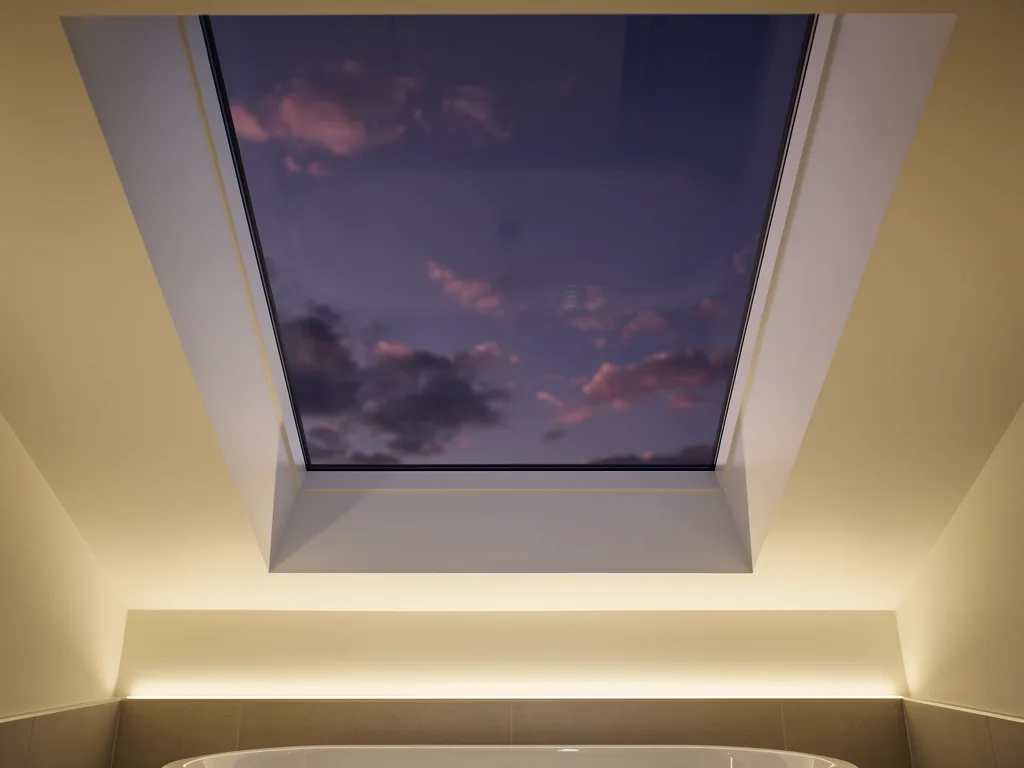
What changes on site depending on the route
The two routes look similar from the pavement, since both end with a clear pane back overhead, but the visit and the disruption inside the room differ more than a glance from the pavement would suggest.
| Stage | Glass only | Whole rooflight |
|---|---|---|
| Kerb, flashings, lining | Untouched | Checked, often renewed |
| Room below | Dust sheets, short visit | More disruption while old unit lifts out |
| Roof opening | Not enlarged | Not usually enlarged either |
| What is reordered | Sealed unit or sheet only | Frame, glass and often the beads together |
Neither route usually involves cutting a bigger hole in the roof deck or joists; the opening stays the size it already is either way, since that is a structural change with its own planning and building implications, not something that follows automatically from a failed pane. What does change is how much of the existing structure is disturbed to get the new work in, and that is what drives how long the visit takes and how much the room needs protecting.
Building Control does not treat the two routes the same way
A like-for-like glass swap and a full rooflight replacement are both notifiable work under Building Regulations, but the standard they are checked against is applied slightly differently in each case.
Approved Document L sets a limiting U-value for a replacement rooflight in an existing home, measured for the whole unit, frame included, not the glass on its own. Where only the glass changes, the new sealed unit still has to help the existing frame meet that combined standard, so the glass specification is chosen with the frame it is going into in mind. Where the whole rooflight is replaced, the frame and glass are assessed together as one finished product, which generally makes it easier to hit the standard cleanly, since the frame is new and built to carry a current specification of glass rather than an older rebate. Our answer on whether Building Control is needed to replace a misted glass unit sets out the notification itself in plain terms. Whichever route your rooflight takes, we handle the Building Control notification as part of the job, so there is a proper record of the work rather than a gap that only surfaces if the house is sold.
Deciding a borderline case
Some frames sit right on the line between the two routes: square enough to pass, but only just, or opening gear that still works but stiffly. These are the calls worth talking through rather than settling on the doorstep.
A frame that is marginal rather than clearly failed is a legitimate case for a second look, particularly where the household is weighing spending a little more now against the chance of another visit in a few years if the frame goes shortly after new glass is fitted. There is no set rule that decides a marginal frame either way; it comes down to how much movement is actually there, how exposed the rooflight is to weather, and how the household weighs disruption now against disruption later. Glazing into a frame we think will fail again soon, simply because it is the cheaper route on the day, is avoided, since a seal fitted into a frame that keeps moving rarely lasts as long as the same seal in a sound one.
Every quote, whichever way the decision goes, comes with a sightline sketch showing the view you will get back from the seat, bed or worktop that matters, so the improvement, or the case for staying with the existing frame, is something you can see rather than take on trust. What actually drives the cost on the day, from the glass specification to access for scaffold or a crane, is set out on our page on what affects the cost of a rooflight.
Questions worth asking before you commit to either route
These are the questions that tend to come up once a household is weighing a glass-only quote against a full replacement one.
Can the decision be made on the first visit, or does it need a second one?
Most decisions are made on the first visit, since the checks on the glass, the frame, the kerb and any opening gear can all be done from the room and, where access allows, from the roof on the same call. A second visit is only needed where access to check the frame properly is not safe on the day, such as a steep roof needing scaffold that has not yet been arranged.
Does choosing glass-only now rule out a slimmer frame later?
No. A sound frame taking a glass-only replacement can still be swapped for a slimmer profile at a later date, since that is its own job rather than something tied to the glass replacement. It simply means two visits instead of one, which is why it is worth raising at the survey stage even if you are not ready to decide on the frame yet.
What if the frame passes but the reveal already feels tight?
The reveal, the lining between the frame and the plastered ceiling, is a separate build element from both the glass and the frame, and it is not changed by either replacement route on its own. Where a tight reveal is genuinely narrowing the sky you see, that is a different job again, reshaping the lining itself, which is worth mentioning at survey stage so it can be looked at alongside whichever glass or frame decision is made.
Is it ever worth replacing a sound frame anyway?
Occasionally, where the roof is already open for other work, such as reroofing nearby, and the household wants the chance to upgrade to a slimmer or better insulated frame while access is already arranged. Outside of that, a frame that has passed every check is not routinely replaced just because new glass is going in above it.
We cover Peterborough and 30 miles around, from the Fletton brick terraces of the city itself, through the newer townships of Bretton, Orton, Werrington and Hampton, out to the stone roofs around Stamford and the flat Fen horizons beyond. Book a home visit for the failed rooflight itself, or message us on WhatsApp with a photograph of the pane and we will tell you, before anyone comes out, which route it is likely to need.
Keep reading
 GuideMist Between the Panes: How a Rooflight Unit FailsA misted pane means the seal inside the unit has failed, and no cloth will bring the sky back.
 GuideFailed Edge Seals: How to Spot Them EarlyThe early signs a failing edge seal shows before the view clouds over for good.
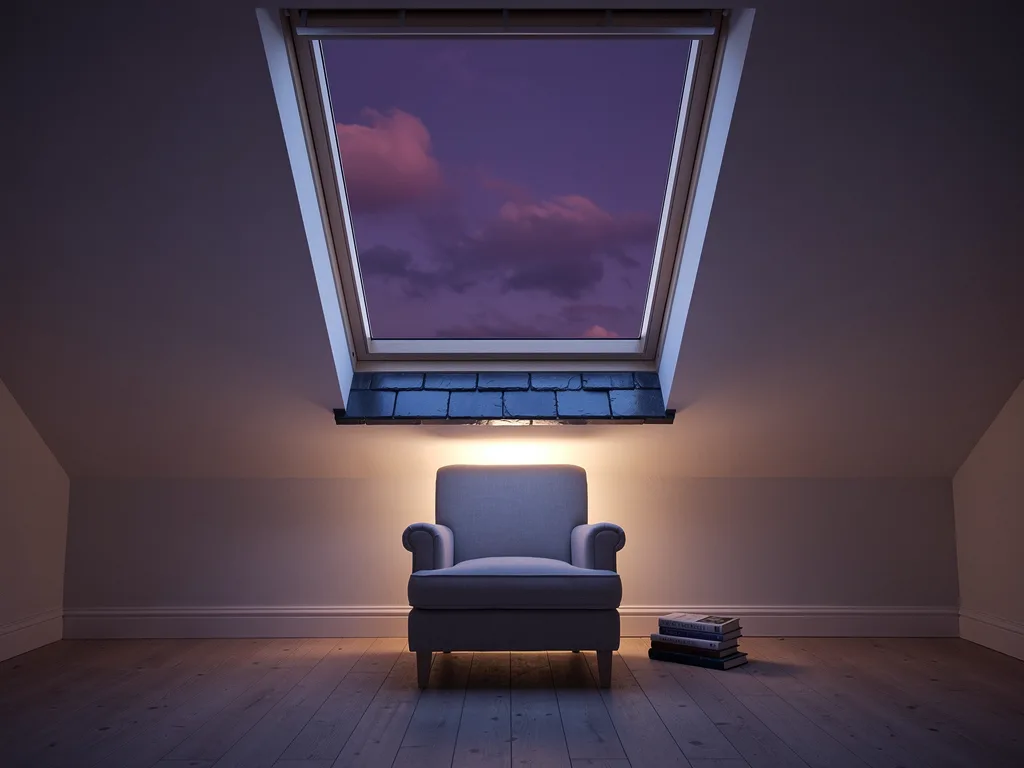 GuideReplacing Misted VELUX GlazingHow a misted VELUX-style roof window is reglazed, or the sash renewed, without disturbing the flashing.
Book a home visit
Tell us which room
- No obligation
- Sightline sketch included
- 10-year guarantee
Or call 01733 736163