Guide · Misted and failed rooflight replacement
Replacing Misted VELUX Glazing
A misted pane in a VELUX-style roof window is usually reglazed in place. Here is how we decide between the pane, the sash and the whole window.
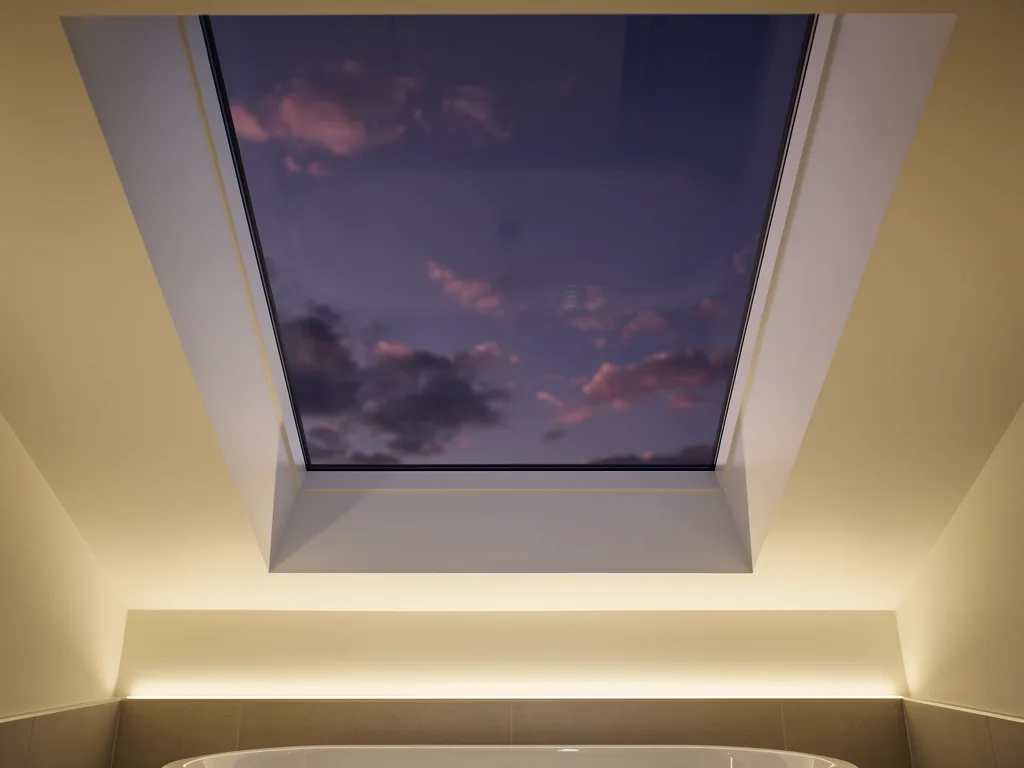
A pitched frame in the rafters, not a kerb on a flat roof
A VELUX-style roof window, often called a pitched skylight in a loft conversion, mists for the same reason any sealed rooflight does, a failed edge seal letting moist air into the gap between the panes, but the fitting itself sits differently, set into the rafters on a pitched slope rather than sitting proud of a flat kerb, and that changes how the glass comes out and goes back in.
The window is built as a sash, a glazed frame that either sits fixed in an outer frame or hinges from it to open, held to the roof structure by fixing brackets at the sides and a flashing kit that runs water from the tiles or slates around the frame and away below it. Where a flat rooflight or lantern is lifted whole off its kerb, a roof window more often keeps its outer frame exactly where it is and has only the glazed sash, or the pane within it, disturbed. Our wider guide to how a rooflight unit fails and mist gets between the panes covers the seal mechanism itself, which is identical whichever kind of rooflight carries it, and this page picks up from there for the pitched, roof-window case specifically.
Because the frame is fixed into the rafters rather than resting on an insulated upstand, a survey for a misted pane in a roof window always includes a look at what sits around it, the counter-battens, the lining and the flashing collar, since all three affect how cleanly a new pane or sash can be set back to weather tight. Our parent page on misted and failed rooflight replacement sets out the wider decision between glass and whole unit that this page narrows down for a pitched roof window on its own.
Reading the frame before the new pane is ordered
Roof windows have been fitted in British lofts for decades, and the profile, the glazing depth and the way the sash is held to the frame have all moved on across that time, so the first job on a misted pane is establishing exactly what is on the roof now, not assuming it matches a current catalogue.
An older timber sash, painted or stained rather than factory finished, generally carries a shallower glazing rebate than a current model, built for a thinner double unit than is standard today. A pane made to today's depth will not always seat in an older rebate without an adaptor bead or a packed-out bar, which is exactly the kind of detail a survey has to catch before glass is ordered rather than after it arrives and does not fit. Later PVCu and factory-finished timber sashes tend to carry a deeper rebate already built for a thicker unit, so the check matters less there, but it is still made on every visit, since the age of a window is rarely obvious from the room below.
The hinge position matters too. A centre-pivot sash, which tips forward from a pivot part way up the frame, and a top-hung sash, which opens outward from hinges at the head, hold their glass in slightly different ways, and knowing which is fitted decides whether the pane can be changed with the sash still on the roof or whether the whole sash needs to come down to the bench first.
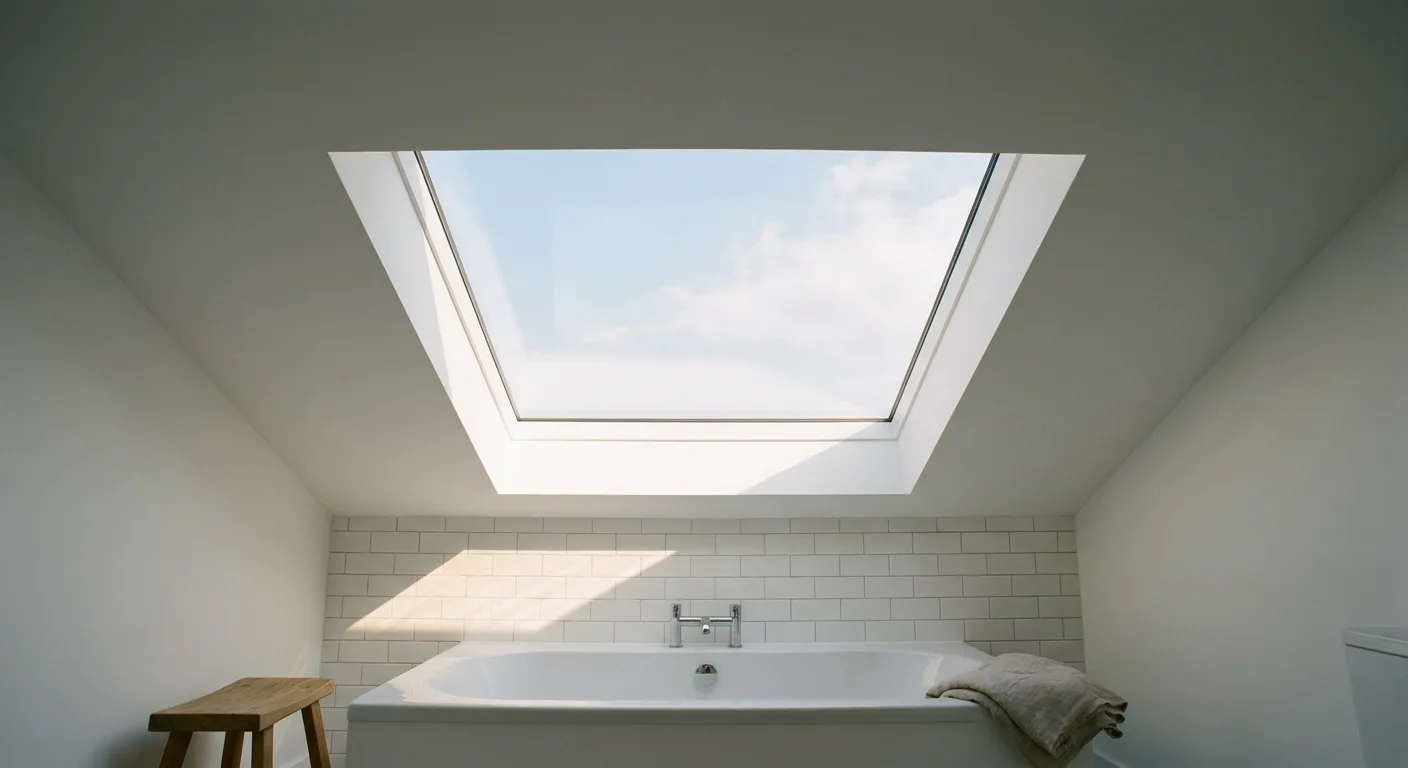
Glass only: reglazing the sash in place
Where the timber or PVCu sash is still square, still opening and closing properly if it opens at all, and still holding its glazing gaskets without perishing, only the sealed unit itself needs to change, and the sash stays exactly where it is.
Most roof windows hold their glass with external glazing beads or a capping strip that runs around the outside face of the sash, so the work is done from the roof, lifting the old misted unit out from outside once the beads and any weather seal around them are freed. A small number of older systems glaze from inside the room instead, which changes the access needed but not the principle, and our answer on whether misted glass can be replaced from inside sets out how that is confirmed against the actual frame fitted rather than assumed from the model.
- Sash square, opening gear free, gaskets sound: new sealed unit into the same sash.
- Sash slightly stiff to open but structurally sound: glass changed, hinges and stay eased at the same visit.
- Sash warped, rotted at a corner, or opening gear seized solid: the sash comes off as well as the glass.
- Outer frame itself split or pulling away from the rafters: the whole window is renewed, not just the sash.
Once the old unit is out, the new one is set on fresh setting blocks so it carries its own weight correctly rather than resting on the old, compressed packers, and the beads or capping go back with new gaskets rather than the originals, since a perished gasket is often part of why the seal failed in the first place.
When the sash itself has to come out
A misted pane in a sash that has also failed in its own right, through rot, warping, corrosion of the opening gear or a hinge that no longer holds its position, is not worth reglazing on its own, because the new seal would only be fighting the same movement that likely broke the last one.
Timber sashes fail at the bottom rail and the corners first, where standing moisture from condensation or driven rain lingers longest, and once the timber has swollen or split there, a new pane set into it will not sit flat for long. PVCu sashes rarely rot, but the corner welds can open with years of thermal movement, and the opening gear, the friction stays and the espagnolette locking common on opening roof windows, can seize or corrode past the point of freeing up. Our guide to when a failed frame means full replacement goes through these checks for rooflights generally, and the same tests, squareness, corner condition, and whether the opening gear still works smoothly, apply to a roof window's sash.
Replacing the sash on an existing outer frame is usually more contained than it sounds, since the outer frame, once it is sound, stays fixed into the rafters and the flashing kit around it is not disturbed. Our answer on what happens to the frame when a rooflight unit is replaced explains what stays in place and what is taken out on a job like this, whether the fitting is a roof window or another kind of rooflight.
The flashing collar: checked, even on a glass-only job
Water finding its way in around a roof window is far more often a flashing problem than a glazing one, so any visit that starts with a misted pane still includes a look at the collar and the lead or felt around it, even where the glass is the only thing changing.
The flashing kit steps the roof covering, tiles, slates or interlocking sheet, over the head of the frame and tucks it under at the sides and cill, so rain runs over the frame rather than behind it. It is fitted once, to the specific roof pitch and covering, and it is not part of the glazed unit at all, so lifting a misted pane out and setting a new one in should leave it completely untouched. Where a flashing kit has itself aged or was set slightly wrong at the original fitting, that is dealt with as its own piece of work, renewing the collar rather than reglazing again in a few years' time and finding the same water finding its way past the tiles.
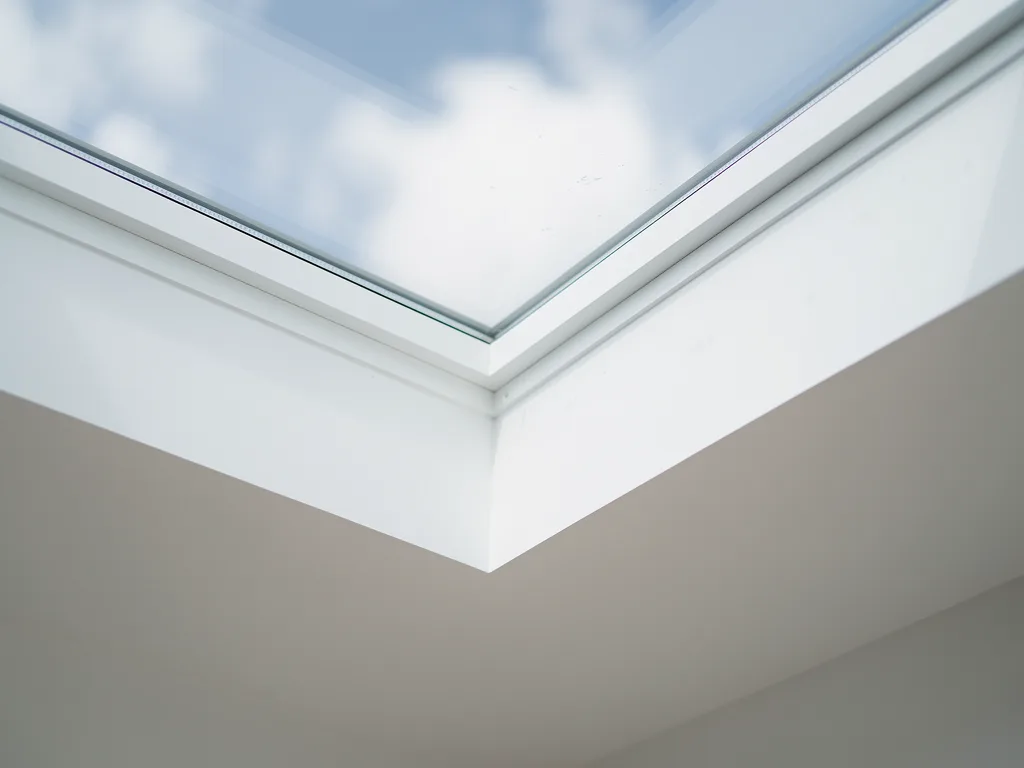
Losing a bar across the sash, not just narrowing the frame
Some older roof windows, particularly larger ones and pairs set side by side, were built with a glazing bar splitting the sash into two panes rather than one, a detail that puts a solid line straight across the sky from the bed or the desk below it, and a replacement is the point at which that bar can often go for good.
A bar was originally there to keep each pane of glass to a manageable size for the glazing technology of its day, not for any structural reason the sash still needs. Current sealed units are made in single sheets far larger than the old bar-split panes ever were, so replacing a misted, bar-split sash with a single-pane sealed unit in the same opening is usually straightforward, provided the outer frame and its rebate can take the depth of the new glass. That is a different question to frame width, which our guide to choosing slimmer frames when you replace covers in full: this is about removing a division mid-pane rather than narrowing the edge you already see.
| What is on the roof now | Usual outcome | What changes in the view |
|---|---|---|
| Sound sash, single pane, misted | New sealed unit, same sash | Little, unless coating changes |
| Sound sash, bar splitting the pane | Single sealed unit, no bar | Bar removed from the sky |
| Failed sash, sound outer frame | New sash on existing frame | Depends on new sash profile |
| Failed outer frame | Whole window renewed | Full new frame and sash |
Our guide to choosing glass for a replacement unit covers the coatings, tints and self-cleaning surfaces worth asking about at the same time, since a replacement is a natural point to specify the glass fresh rather than simply match what failed.
The notification for a pane or sash swap
Changing a misted pane for a new one of the same size, in a sash that is otherwise sound, still counts as notifiable work, because Building Regulations set a thermal standard for the finished glazing, not just a rule about structural alterations.
Approved Document L sets a limiting U-value for replacement glazing in an existing home, measured for the complete unit rather than the glass alone, and it applies whether the whole window is renewed or only the sealed pane inside it changes. A current double-glazed unit with a low-emissivity coating clears that standard comfortably, so the requirement rarely changes what is specified, but it is the reason a straightforward pane swap in an existing sash is still logged with Building Control rather than treated as routine glazing work outside the regulations. Our answer on whether Building Control is needed to replace a misted glass unit sets this out for a like-for-like job in more detail.
We handle the notification on every job where the work requires it, so there is a proper record against the address rather than a gap that only surfaces if the house is later sold. That sits alongside our 10-year workmanship guarantee, which covers the fitting once the new pane or sash is in and sealed.
From the loft ladder to a clear pane overhead
Most roof window jobs are quicker to complete than they look from the ground, since the outer frame, the flashing and the rafters around it are already doing their job, and the visit is mostly about confirming what is there and matching the right glass or sash to it.
- A home visit to look at the sash, the outer frame and the flashing, and to establish which generation of window is fitted.
- Measuring the pane or the sash accurately, including its glazing rebate depth, with the frame left in place.
- Agreeing whether the pane, the sash or the whole window is the right route, and the glass specification that goes with it.
- Ordering the unit or sash to size, which carries a lead time from the maker before fitting can be booked.
Where only the pane changes, the flashing and the plaster lining around the window are untouched, so the room below usually needs nothing beyond dust sheets while the work is done from outside on the roof. Where the sash comes off as well, there is a short spell with the opening more exposed while the new sash is set and sealed, though the flashing kit itself, and the rafters it is fixed to, are not disturbed unless the outer frame itself has failed. Our page on how quickly a failed rooflight can be replaced covers typical lead times once a specification is agreed.
Every quote, whichever route the survey settles on, comes with a sightline sketch showing the view you will get back from the bed, the desk or the landing below, bar removed where one is coming out, so you can see the difference before any glass is ordered. What affects the price on the day, from access and scaffold or ladder needs to the glass specification chosen, is set out on our page on what affects the cost of a rooflight.
We cover Peterborough and 30 miles around, from the Fletton brick terraces and new-town lofts of Bretton, Orton and Werrington through to the older cottages around Stamford where roof windows sit among Collyweston stone slate. Book a home visit for the misted skylight overhead, or message us on WhatsApp with a photograph of it to start with.
What a misted roof window visit usually settles
Does a misted VELUX-style pane always mean a new sash?
No. Where the sash is still square, opens and closes properly if it opens at all, and its gaskets have not perished, only the sealed unit needs to change. The sash comes into it only where it has failed in its own right, through rot, corrosion or seized opening gear.
How do you tell which generation of window is fitted?
By looking at the sash and the outer frame on the visit itself: the glazing rebate depth, the hinge and opening gear, and the finish of the timber or PVCu all point to roughly how old the window is, which decides whether a current sealed unit will seat in the existing rebate without an adaptor.
Does the flashing kit need to be disturbed for a glass-only swap?
Not normally. The flashing steps the roof covering over the frame and is fitted once, separately from the glass, so lifting a misted pane out and setting a new one in should leave the collar and the tiles or slates around it untouched.
Can a bar be removed when the pane is replaced?
Often, yes, where the sash and its outer frame can take the depth of a current single-pane sealed unit. It turns a sash originally built with two smaller panes into one clear sheet, taking a fixed line out of the middle of the view.
Keep reading
 GuideFailed Edge Seals: How to Spot Them EarlyThe early signs a failing edge seal shows before the view clouds over for good.
 GuideMisted Roof Lantern PanesWhy a single misted pane in a roof lantern can be replaced on its own, without disturbing the glass around it.
 GuideCracked Rooflight Glass: Replacement OptionsWhat to do when rooflight glass cracks, and the replacement options once the frame has been checked.
Book a home visit
Tell us which room
- No obligation
- Sightline sketch included
- 10-year guarantee
Or call 01733 736163