Guide · VELUX windows
Which VELUX Flashing Suits Your Roof Covering
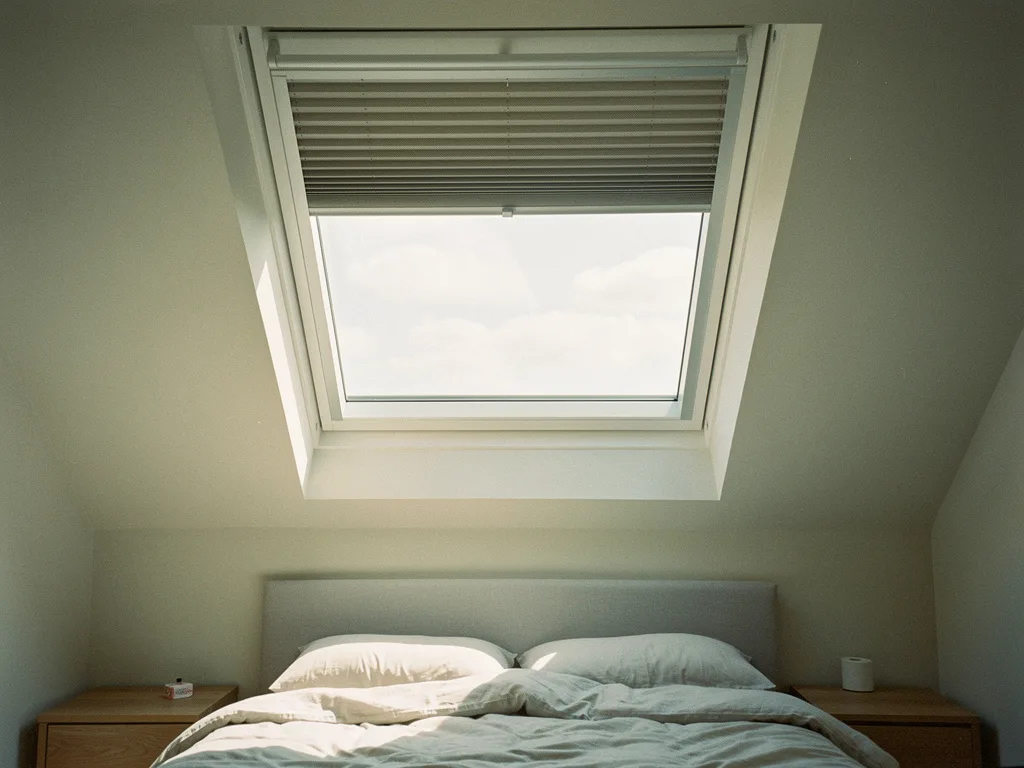
The flashing kit is matched to your roof covering, not chosen at random, and it decides how deep the reveal is and how much frame you see from the room below.
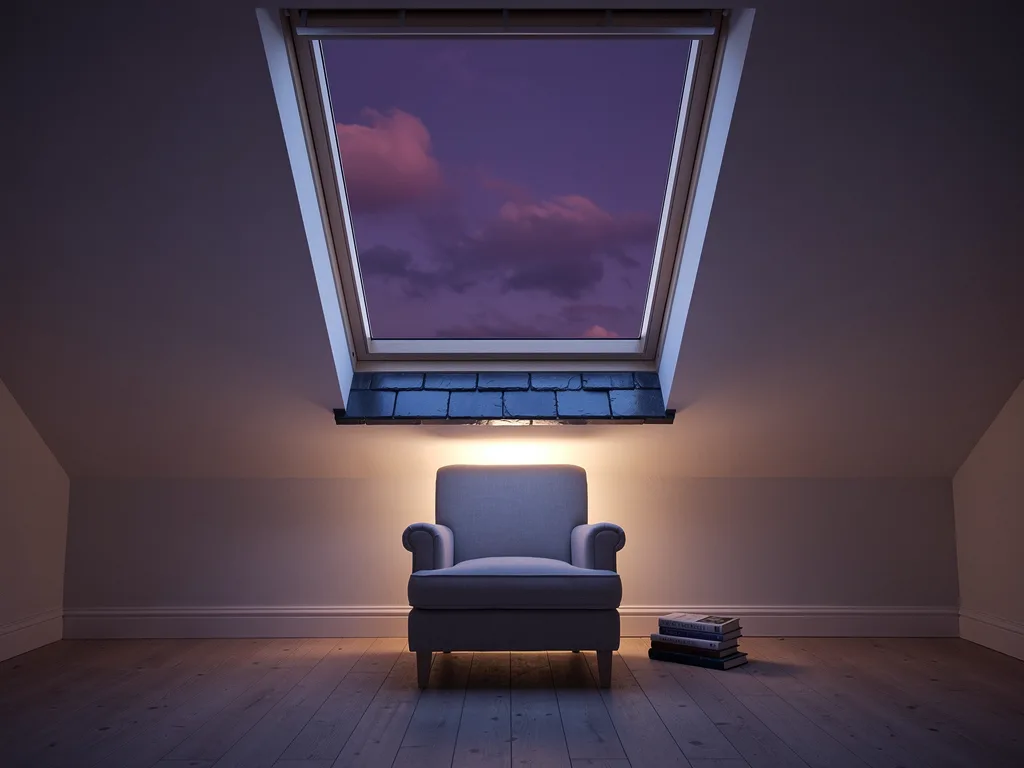
A VELUX roof window is only as weathertight as the flashing kit fitted around it, and that kit is chosen by roof covering, not by window size or opening type. Get the flashing wrong and water finds a way in around the frame; get it right and the same kit also sets how far the glass sits back from the tiles or slates, which changes the reveal and how much sky you actually see from the room below. This guide works through the main VELUX flashing families used as part of a VELUX window installation, what each one is for, and how the right choice is confirmed before the roof is opened.
What a VELUX flashing kit actually does
A flashing kit is not a single strip of lead; it is a set of pressed aluminium panels, an underlay collar and fixings that lap into the surrounding roof covering course by course, so rainwater running down the roof is carried around the window rather than into it.
Every kit has the same basic parts:
- an upper section that tucks under the coursing above the window
- two side pieces that dress down each jamb
- a sill section that oversails the coursing below
- an underlay collar that continues the roof's own underlay past the opening
VELUX makes each kit to match a covering's thickness and profile, its "profile height". The more a tile or slate steps up and down across its surface, the deeper the flashing has to reach to keep the laps tight. Fit a flashing meant for flat, thin slate onto a deep interlocking tile and the laps will not seat properly; fit a shallow tile flashing under a thick profile and water can track sideways under the tile above.
The profile height also decides the height of the upstand, the raised timber kerb the flashing wraps around. The upstand height decides how far the glass sits above the plane of the roof. A taller upstand keeps a wider band of frame in view from below; a shallower one lets the glass sit closer to the tiles, so more of what you see looking up is sky rather than frame edge. Exactly how much frame shows for a given opening type is covered separately in How much of the frame will I see from inside a VELUX?, and the choice between centre-pivot and top-hung sashes in VELUX GGL or GPL: Centre-Pivot or Top-Hung.
Interlocking tiles: EDW and EDN
Most roofs across Bretton, Orton, Werrington and Hampton are laid with interlocking concrete or clay tiles, and VELUX covers that ground with two related kits, EDW for the deeper profiles and EDN for the slimmer ones.
EDW is the kit most surveys land on first across the newer townships, because volume housebuilding since the 1970s has largely used interlocking concrete tiles with a stepped profile. The kit's upper flashing has enough depth to tuck under that profile and still leave a clean lap, so the window sits with a moderate upstand and a reveal that reads as a defined frame rather than an almost flush pane.
EDN suits the slimmer end of the interlocking range, tiles with a shallower roll or a flatter profile, sometimes specified on later new-build phases for a cleaner roofline. Because the tile steps less, the flashing can sit lower and the upstand can be shorter, which brings the glass a little closer to the roof plane and narrows the frame you see against the sky from a bed or sofa below.
On the Fletton brick terraces nearer the city centre, many roofs have already been re-covered in interlocking concrete tile at some point since the original slate or plain tile was laid, so EDW or EDN is usually the right family for a loft conversion in these streets too. The surveyor confirms the exact profile against the tile actually on the roof rather than assuming from the street.

Slate, natural and reconstituted
Slate roofs, including the Collyweston stone slate and limestone roofs around Stamford, sit almost flat course to course, and VELUX's slate flashing, EDL, is cut shallow to match that near-flush surface rather than stepping over a deep tile profile.
Because a slate course overlaps by only a few millimetres of thickness, the EDL kit is shaped to lie close to the roof rather than bridge a step, and the finished upstand is noticeably lower than on a tiled roof. That lower upstand is one reason a slate roof window often shows a slimmer band of frame from inside than the same window fitted on a deep interlocking tile.
Collyweston stone slate is thicker and more irregular than a machine-cut Welsh or Spanish slate, so recoursing around the flashing takes more care and more cutting to keep the courses running true past the window. Where a roof is stone slate rather than fired clay tile or Welsh slate, the exact coursing gauge is measured on site so the flashing laps sit correctly; this is not a detail to take from a photograph of the street.
Some roofs in this area sit within a conservation area. Whether that status applies, and what it means for a rooflight visible from a road, is checked for the specific address with the local planning authority before any work starts.
Plain tiles on older roofs
Small-format plain tiles, still common on older Peterborough streets and Fenland cottages, need their own flashing, EDP, because each tile is short and doubly lapped rather than interlocked.
A plain tile roof is laid in short, flat tiles set in a double lap, so there are more coursing joints to negotiate past the window than on a long interlocking tile. The EDP kit is cut to step through that finer coursing, and fitting it usually means more tile cutting either side of the window than on a roof laid in a longer format.
Because the tiles are thin and the laps frequent, a plain tile roof can give one of the shallower upstands available, close to what a slate roof offers, which keeps the reveal tight and the frame narrow in the eyeline from below.
Profiled sheet and other non-standard coverings
Outbuildings, converted barns and some flat-fronted extensions in the area are roofed in profiled sheet, metal or fibre-cement, rather than tile or slate, and VELUX's EDS kit is shaped to that corrugation instead of a tile step.
The EDS flashing follows the wave of a corrugated or trapezoidal sheet rather than the stepped profile of a tile, so the upper flashing and side pieces are pressed to match the sheet's own ridges and troughs. Getting this lap right matters more on a shallow-pitch sheet roof than on a steep tiled one, because there is less fall to carry water away from any place the lap is not tight.
Where a roof covering does not match any of VELUX's standard profiles, for instance an unusually deep interlocking pantile or an uncommon sheet gauge, the manufacturer's technical guidance is checked against the actual roof before ordering, rather than assuming the nearest kit will do.
| Roof covering | Flashing family | Typical profile | Sightline effect |
|---|---|---|---|
| Interlocking concrete or clay tile | EDW | Deeper stepped profile | Moderate upstand, defined frame |
| Slim interlocking tile | EDN | Shallower roll | Lower upstand, narrower frame |
| Natural or reconstituted slate | EDL | Near-flush, thin | Slim reveal, close to flush |
| Plain tile, double-lap | EDP | Small format, frequent laps | Tight reveal, narrow frame |
| Profiled sheet | EDS | Corrugated or trapezoidal | Reveal follows sheet depth |
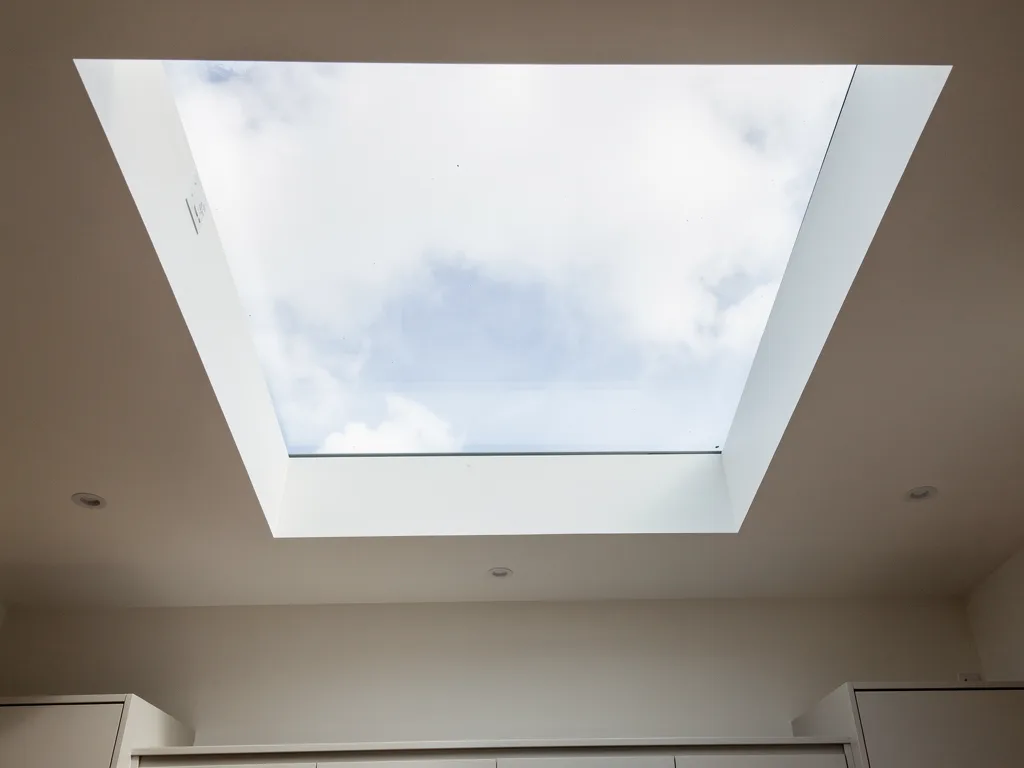
Recessed flashing and a flatter sightline
A recessed flashing sets the window closer to the roof surface than a standard kit, and on the right covering it is the option that narrows the frame in view the most.
Where the roof covering allows it, VELUX's recessed flashing option reduces the upstand height further than the standard kit for the same covering, so the glass sits nearer the plane of the roof. Seen from a bed or a desk below, this brings the edge of the frame closer to the edge of the visible sky, which is the effect meant when someone asks for a window to feel flush rather than boxed in.
It is closely related to the flush fit option in the VELUX Conservation range, which uses a similar low-profile principle to sit quietly against a stone slate or plain tile roof, and it is a decision made and drawn out on the sightline sketch before the roof is cut, not added afterwards.
Fitting two windows side by side or one above the other
Two VELUX windows next to each other, or stacked to make a taller opening, use a combination flashing instead of two single kits, so the join between them is weathered as one piece rather than as two separate laps meeting in the middle.
A single flashing is built to shed water to its own sides and sill; run two single kits edge to edge and the join between them becomes the weakest point on the roof. VELUX's combination flashings are pressed as one panel spanning both windows, with the join detail built in and matched to the same covering families already described, tile, slate, plain tile or sheet.
This matters most where a loft room is being opened up for more sky than one window alone can give, a wide panel of two windows across a bedroom or landing, or a tall opening of two stacked windows down a steep slope of roof, as set out in VELUX Panoramic and Combination Windows. The combination is planned at survey stage alongside the window layout itself, since flashing choice and window spacing are decided together, and sizing for that layout is covered in VELUX Window Sizes: Choosing the Right One.
How the flashing code gets confirmed before the roof is opened
The exact VELUX flashing code for a job is not read off a brochure at the kitchen table; it comes from measuring the roof covering itself, its thickness, its profile and its pitch, against VELUX's own published ranges.
At survey, the roof covering is measured for thickness and profile height, the pitch is checked against the range each flashing is rated for, and, on a replacement, the existing flashing and upstand are inspected to see whether they can be reused or need renewing alongside the window. That check is explained further in Will a new VELUX fit my old VELUX flashing? and Replacing an Old VELUX in the Same Opening. The exterior flashing is only half the job: the insulation collar, vapour barrier and lining that finish the window from inside are a separate kit, covered in VELUX Installation Collars and Linings.
The work is installed to current Building Regulations, and where a job is notifiable, the Building Control notification is handled as part of the installation rather than left for the homeowner to arrange. Every quote also comes with a sightline sketch, so the reveal depth and frame width the chosen flashing will give are shown before the roof is cut, not discovered afterwards. Fitting is backed by a 10-year workmanship guarantee, and the roof covering itself is one of several things that feed into what affects the cost of a rooflight.
Flashing questions worth asking before you order
Can I choose a shallower flashing than the surveyor recommends?
The flashing family is set by the roof covering, not by preference; a kit rated for a deeper tile profile will not seat correctly on a tile it was not designed for. Where two kits genuinely fit the same covering, for example EDW and EDN on a borderline profile, the surveyor says so, and the reveal difference between them is shown on the sightline sketch before anything is ordered.
Does a recessed flashing work on every pitch?
No. Recessed fitting has its own pitch range and covering restrictions, narrower than the standard kit for the same covering, so it is confirmed at survey rather than assumed. Where it is not available, the standard kit for that covering is still specified to give the closest reveal the roof allows, and that reveal is shown on the sightline sketch.
What happens if the roof covering has changed since the last VELUX went in?
The flashing follows the covering that is on the roof now, not the one the original window was fitted against. If a roof has been re-covered from slate to interlocking tile, or from one tile profile to another, at any point since installation, the flashing is reassessed and renewed to suit, even where the window itself is not otherwise due for replacement.
Can the same flashing be reused if only the window is being replaced?
Sometimes. Where the existing flashing is sound, matches the covering still on the roof and its upstand suits the replacement window's size, it can be kept in place. This is checked at survey alongside sizing and glazing choices, and set out in more detail in Replacing an Old VELUX in the Same Opening.
Keep reading
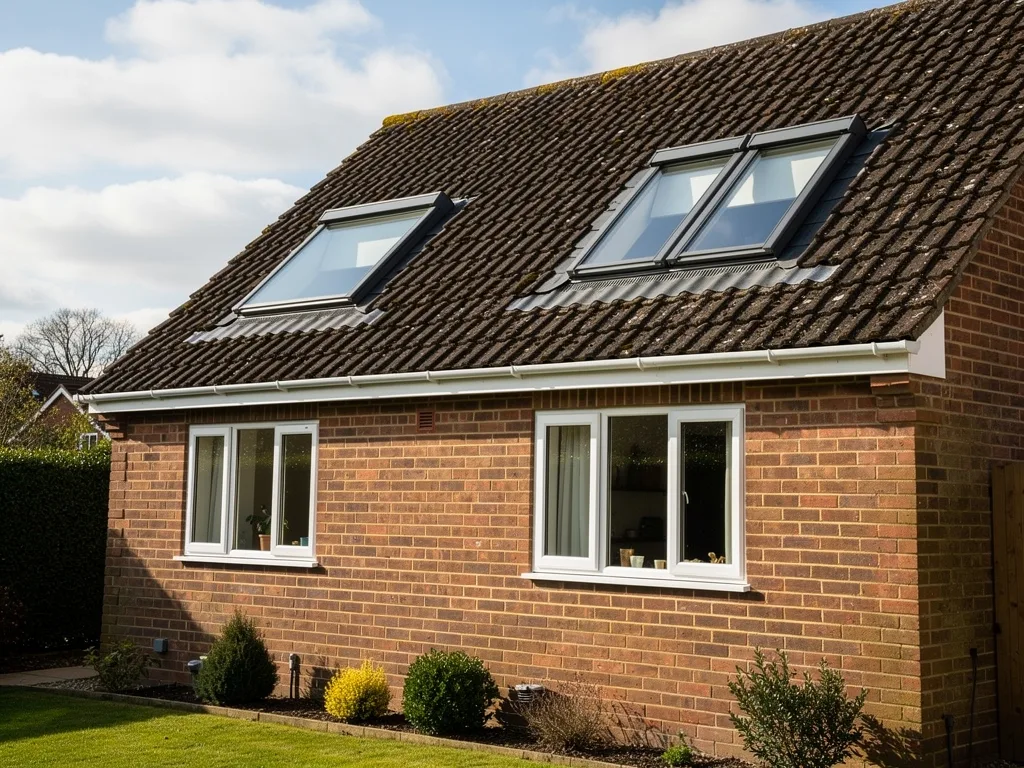 GuideThe VELUX CABRIO: A Roof Window That Becomes a BalconyHow the VELUX CABRIO turns a roof window into a balcony, and what the pitch and structure underneath it need to allow.
 GuideVELUX Glazing Options: Warmth, Noise, Safety and ClarityHow VELUX glazing options compare for warmth, noise, safety and how clear the view stays overhead.
 GuideVELUX Blinds: Blackout, Duo and AwningBlackout, duo and awning VELUX blinds compared by what they do to the view when they are open.
Book a home visit
Tell us which room
- No obligation
- Sightline sketch included
- 10-year guarantee
Or call 01733 736163