Question
What Time of Year Is Best to Install a Skylight?
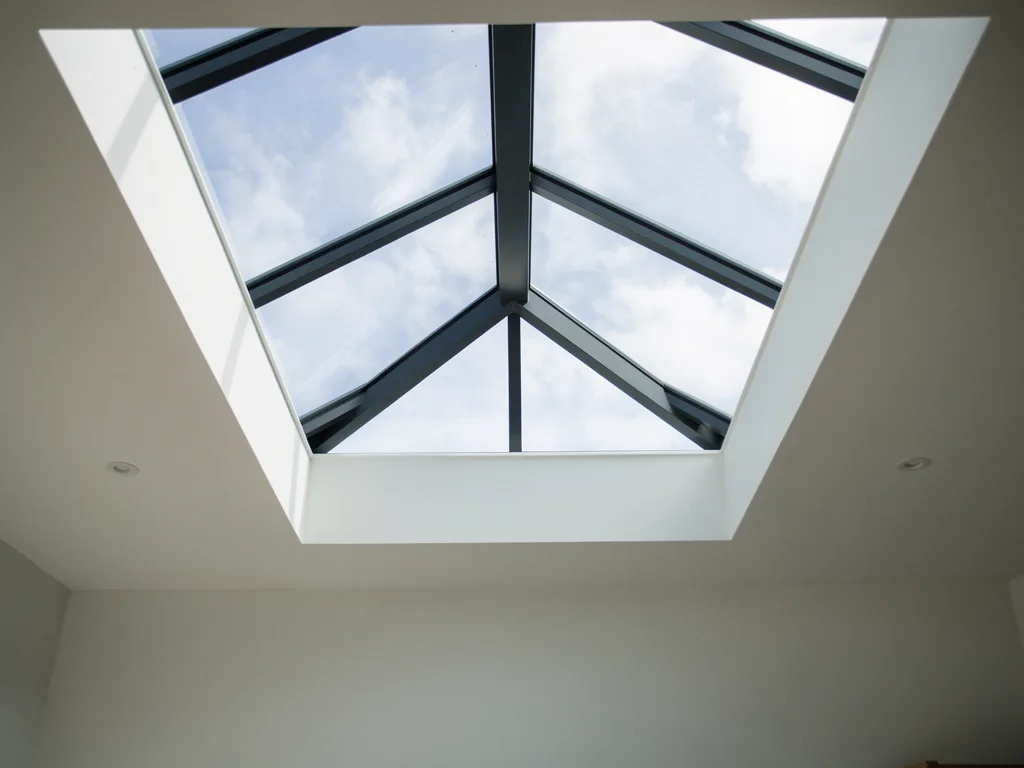
The roof is only open for a matter of hours, not days
A rooflight or roof window is fitted by opening the roof covering, cutting the structural opening if one is not already there, and building the frame into it before weathering it in. A straightforward job has the structure and glazing in within a single working day, and the roof is never left uncovered overnight. A tarpaulin or temporary covering goes over the opening at the end of any day that runs longer than planned, so a sudden shower partway through does not mean water finds its way into the room below.
This is why the season matters far less than people assume before they ask. The risk a fitting day carries is a few hours of active rain while the opening is genuinely bare, not a wet week either side of it. A dry morning with rain forecast for the afternoon is still a workable day; a week of driving rain from first light is the kind of forecast that moves a date, whatever month it falls in.
Spring and autumn give the steadiest run of days
Around Peterborough, the weeks either side of the worst of winter and the height of summer tend to offer the most settled short-range forecasts, which is what a fitting day actually needs. Wind matters more than temperature for roof access, since a gusty day makes scaffold or ladder work slower and less pleasant even when the rain itself holds off. Neither spring nor autumn is free of wind or rain, but the runs of calm, dry days tend to be longer, which gives more room to move a date by a day or two if the forecast changes at short notice.
None of this rules out the depths of winter or the height of summer. It only means spring and autumn dates are usually the easiest to plan around and the least likely to need a short reschedule.
Winter fitting is routine, not a compromise
Cold, short days do not stop a rooflight going in correctly. The structural opening, insulation and weathering are all detailed to the same standard whatever the season, and a frame and unit fitted on a clear, cold January day performs exactly as well over its life as one fitted in June. What changes in winter is planning around the light: with a shorter working day, an installer starts earlier to keep the same hours of daylight for the parts of the job that need it, and a frosty roof surface is treated with more care underfoot than a dry one.
Snow and ice are the conditions that genuinely move a date, since working safely on a roof covered in either is not sensible whatever is being fitted. A forecast of overnight frost with a clear, dry day is not the same thing and rarely changes a booking.
A hot midsummer roof brings its own slower moments
It is easy to assume summer is the ideal season, and for daylight hours and dry forecasts it usually is. But a dark roof covering in direct summer sun gets hot enough to slow some sealants and adhesives, which need to cure at the right temperature to bond properly, so an installer working a south-facing slope at the height of a heatwave may pace parts of the job differently than on a milder day. None of this changes what gets fitted, only how the day is managed, and it is a smaller factor than the heat outside would suggest.
A hot day also means more care where anyone is working under a covered opening for any length of time, and a job may start earlier to use the cooler part of the morning on the roof itself.
What actually decides a good date for you
Once the season itself is set aside, the choices that matter are closer to home:
- Whether the room below needs to stay in use, since dust sheets and a short disruption are easier to plan around school terms or a quiet week than a fixed month
- Whether scaffolding is needed, which can take longer to book in a busy season than the fitting itself does
- Whether the work is notifiable to Building Control, which can add a short lead time to the paperwork rather than the roof work
- How firm the roof covering is at the time, since a slate or tile roof that has just been re-covered is a different starting point from one due for attention anyway
Our page on what happens on rooflight installation day walks through the stages in order, and how long it takes to replace a skylight sets out realistic timings for a straightforward swap against a job that also involves upsizing the opening.
Replacing an old unit rarely waits well for a season
Timing matters more when a rooflight is failing than when one is being added new. A misted, draughty or leaking older unit tends to get worse through the months it is left, and a frame that has swollen or a seal that has gone is not something that improves by waiting for a preferred month. Signs your skylights are due for replacement covers the clues worth acting on, and our guide to replacing old rooflights sets out what the swap itself involves, season aside.
If you are weighing up whether the unit is worth replacing at all before choosing a date, is it worth replacing old skylights and how many years will a new rooflight give me both cover the comfort and view side of that decision.
What booking further ahead buys you
The busiest weeks tend to sit around school holidays and the run-up to Christmas, when homeowners are trying to finish a room before family visits or before the children are off school and under a dust sheet. Booking outside those windows, in whichever season, tends to give more choice over the exact date rather than a narrower list of what is left. It is a scheduling effect, not a weather one, and it applies just as much to a quiet week in February as to one in September.
| Season | What tends to be true |
|---|---|
| Spring | Settled runs of days, moderate demand |
| Summer | Long daylight hours, hot roofs slow some sealants |
| Autumn | Settled runs of days, before the Christmas rush |
| Winter | Shorter working days, snow and ice are the real limit |
What we do around the forecast on the day
We check the short-range forecast in the days before a fitting and again the morning of, and a frame and unit go in the same day regardless of season provided the roof can be worked safely and the opening kept covered through any spell of rain. If a forecast turns genuinely unworkable, snow, ice, or sustained heavy rain from first light, we move the date rather than rush the weathering, since a job hurried against the weather is the one place a season can make a real difference to the outcome. Every quote comes with a sightline sketch of the view the finished rooflight will give from where you actually sit or lie, drawn up before any date is set, so the view is settled well before the roof is touched.
Questions people also ask
Is there a month you would avoid altogether?
No single month is ruled out. We plan around the forecast for the actual days involved rather than the season on the calendar, and settled dry days appear in every month of the year.
Does a flat roof rooflight have different weather limits from a pitched roof window?
The principle is the same, an opening that is only exposed briefly and covered the rest of the time, though a flat roof job is often quicker to weather in since there are no tiles or slates to reset around the frame.
Will a winter fit take longer to arrange because of Building Control?
Not because of the season itself. Whether replacing a skylight needs Building Control depends on the scope of the work, and the notification process runs at the same pace whatever time of year the fitting happens.
Should I wait for a specific season if I am also upsizing the opening?
Not for weather reasons. Upsizing a rooflight opening takes a little longer on site because more of the roof structure is disturbed, which is worth allowing time for, but the season itself is not the constraint.
Book a home visit
Tell us which room
- No obligation
- Sightline sketch included
- 10-year guarantee
Or call 01733 736163